Equine Veterinarian Salary in 2026: Average Pay, Starting Salary, Surgeon Pay & States
In equine veterinary medicine, few topics spark more debate than compensation.
From long working hours and on-call nights to the rising cost of education, understanding what equine veterinarians really earn – and why – has never been more important.
The 2022 AAEP Salary & Lifestyle Survey, combined with 2024 AVMA graduate data and recent industry discussions, paints a clear picture: while salaries are improving, sustainability and equity remain the field’s biggest challenges.
If you have the time, the complete AAEP survey report is available here for detailed reading.
Let’s unpack the numbers, explore the realities behind them, and look at where equine medicine is heading next.
Most equine veterinarians earn around $80,000 –$175,000 per year, but income varies most by region, on-call load, and whether pay includes production.
New grads: ~$80000-$90,000
Associates: ~$110,000-$120,000
Owners: ~$150,000-$175,000
Equine surgeons can earn more, especially in referral hospitals.
How much does an equine vet make per hour?
$1,500 – $3,500 based on a standard 40 hour week. The equine veterinarian salary may increase if overtime is paid.
How much does an equine vet make per month?
New grads: ~$5,500-$6,500
Associates: ~$9,000-$10,000
Owners: ~$12,500-$15,000
Do equine vets make good money?
In general, equine veterinarians traditionally make less money than general (small animal) veterinarians, especially at the start of their careers.
However, recent data suggests that equine salaries are increasing, and experienced equine specialists and practice owners can earn competitive or high salaries compared to their peers.
Average Equine Veterinarian Salary (2026 Update)
Across the United States, equine-only veterinarians earn an average annual salary of $154,000.
However, that number tells only part of the story.
| Experience Level | Average Salary (USD) |
|---|---|
| Recent graduates (0–3 years) | $88,973 |
| Associates (4–10 years) | $114,951 |
| Practice owners – sole | $166,250 |
| Multi-owner practices | $285,733 |
These figures confirm what most practitioners already know: ownership and experience drive income growth.
The biggest leap occurs between the associate and ownership stages, once production revenue exceeds the cost of employment.

How Much Do Equine Surgeons Earn?
While equine veterinarians earn an average of $154,000, board-certified equine surgeons can command substantially higher pay depending on experience, case load, and practice type.
| Role Type | Typical Salary Range (USD) | Notes |
|---|---|---|
| Entry-level surgeon (1–3 yrs) | $100,000 – $160,000 | Often includes on-call or production bonuses |
| Mid-career referral surgeon | $150,000 – $250,000 | Common in private equine hospitals |
| Senior/board-certified surgeon | $250,000 – $400,000 + | Top referral or academic leadership roles |
| Academic assistant/associate professor | $130,000 – $200,000 | University positions with lower caseload but research duties |
Recent job postings for equine surgeons (e.g., Equine Sports Medicine & Surgery, Texas) advertise base salaries between $120,000 and $170,000, excluding call and production bonuses.
Equine surgeons typically earn 40 – 60 % more than general equine practitioners, but those earnings come with significant on-call and surgical-case responsibilities.

Starting Salaries: The Reality for New Graduates
While established veterinarians see healthy earnings, starting salaries remain a pain point for many entering the field.
According to the 2024 AVMA survey, new equine associates without an internship receive offers around $95,000, while those completing internships average $100,000 – a steep climb from the $40–60k starting packages reported just a few years ago.
However, this progress comes with context:
- Internship hours often exceed 60–70 hours per week, with minimal time off.
- Many offers still include housing or vehicle use to offset low base pay.
- New grads carry student-loan debt averaging $150,000–200,000, often 4× their annual income (after tax dollars)
“You do an internship to learn, not to get rich,” one Reddit commenter explained. “But the trade-off is real burnout.”recent posts
Tips for Early-Career Success
- Negotiate total compensation, not just salary – benefits often add $15–20k in real value.
- Seek practices offering structured mentorship and transparent production bonuses.
- Prioritise employers with CE budgets and reasonable on-call rotations—the payoff in sustainability is huge.

Why the Pay Gap Exists
Despite increasing awareness, equine salaries lag behind small-animal and mixed-practice counterparts.
Key contributing factors include:
- Workload and Hours:
Equine veterinarians average 57 hours per week, particularly during breeding or competition seasons, limiting flexibility and negotiation power. - High Overheads:
Practice owners shoulder substantial expenses – specialised diagnostic equipment, ambulatory vehicles, and field gear – squeezing margins for associate pay. - Client Demographics:
Horse ownership often concentrates regionally, creating market imbalances where demand spikes seasonally but not year-round. - Limited Emergency Coverage:
Many practices struggle to hire enough associates to share on-call load, worsening burnout and turnover.
The result: equine practice salaries rise more slowly than those in companion-animal clinics, even as workload remains heavier.

Gender Disparities and Career Longevity
The AAEP survey continues to highlight a substantial gender pay gap – $210,873 for men vs. $118,637 for women – driven largely by differing years in practice.
However, experience alone doesn’t explain everything.
- 68 % of female veterinarians report delaying or reconsidering parenthood due to career pressures.
- Fewer women progress into ownership roles, where earnings are highest.
- Mentorship and flexible scheduling remain key levers for equity.
What Can Be Done
- Implement transparent pay bands and shared production metrics.
- Support leadership training and ownership pathways for women.
- Normalise flexible hours and parental-leave policies.
By aligning culture with changing workforce demographics, the equine industry can attract and retain more talented practitioners – of every gender.
Salaries by State: Where Equine Vets Earn the Most
Are you asking yourself the question how much do equine vets make?
Regional variation remains dramatic, reflecting local demand and living costs:
| State | Average Equine Vet Salary (USD) |
|---|---|
| Kentucky | $226,112 |
| Texas | $204,406 |
| California | $171,110 |
| Florida | $168,500 |
| Colorado | $125,369 |
| New York | $132,000 |
| Virginia | $138,200 |
Kentucky and Texas consistently top the list due to high concentrations of racing and breeding operations.
In contrast, states with smaller equine populations or higher practice saturation – like Colorado – show lower averages despite similar workloads.
Tip: For new graduates, relocating to a high-demand equine region can accelerate earnings and experience dramatically within the first five years.
Beyond Base Pay: The True Value of Benefits
A competitive equine veterinarian salary offer should always be evaluated alongside its total compensation package.
According to practice-management consultant Amy Grice, VMD, MBA, benefits often equal $20,000 or more in valuerecent posts.
Common Inclusions
- Health, disability, and liability insurance
- DEA/state licensing fees and professional dues
- CE funding and paid conference leave
- SIMPLE IRA or 401(k) match
- Paid vacation and parental leave
- Use of a company vehicle
- Student-loan repayment or relocation bonus
When these benefits are considered, total compensation for a $100,000 base equine veterinarian salary may exceed $120,000 in real value.
Practices often calculate production bonuses once this threshold (about 22 % of collected revenue) is met – allowing motivated associates to increase take-home pay significantly.

Sustainability: The Growing Crisis
Burnout remains one of equine medicine’s greatest threats. From Reddit threads to industry panels at conferences like the AAEP and BEVA, a consistent message emerges: the job must become more sustainable or the workforce shortage will deepenrecent posts.
Top burnout drivers:
- Continuous on-call demands
- Limited backup coverage in small teams
- High emotional labour with demanding clients
- Lack of personal time for rest, exercise, or family
Some practices are experimenting with solutions:
- Shared emergency co-ops between clinics
- Four-day workweeks in off-season months
- Mental-health stipends and mandatory recovery leave
These initiatives not only improve retention but also attract new graduates who might otherwise avoid equine practice altogether.
Pathways to Higher Earnings and Career Growth
Increasing income in equine medicine isn’t solely about working harder – it’s about working strategically.
1. Specialise
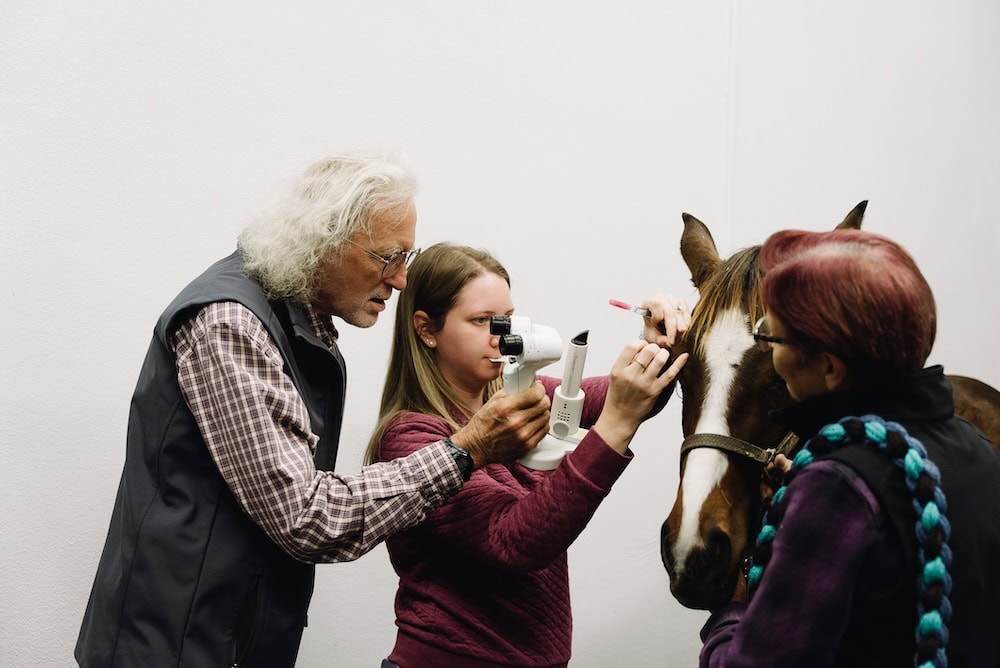
Dentistry, sports medicine, and ophthalmology (a rapidly growing subspecialty) command higher consultation fees and reduced emergency load.
2. Transition to Ownership
Ownership – solo or group – offers the highest income ceiling once management skills are developed.
3. Build Complementary Income Streams
Examples include online education, equine-wellness consults, and mobile imaging partnerships.
4. Invest in Professional Development
Pursuing advanced CE, certifications, or a business diploma can dramatically increase your value to practices or clients.

Our Recommendations for a Sustainable Future
To improve both welfare and financial viability within the profession, The Equine Practice Company advocates for the following:
- Mentorship for Early-Career Vets – Structured programs that teach clinical confidence and financial literacy.
- Transparent Pay Structures – Encourage open equine veterinarian salary discussions to reduce inequity and turnover.
- Work-Life Balance Initiatives – Limit excessive on-call hours and promote fair rotation systems.
- Incentives for Underserved Regions – Loan forgiveness or relocation bonuses can strengthen rural equine care.
- Expanded Professional Development – Leadership and management training must become a standard part of career progression.
If equine medicine is to remain a favourable and fulfilling career, these changes are essential.
Final Words
The data may vary, but the message is clear: Equine veterinary medicine remains both a calling and a challenge.
Salaries are rising, awareness is growing, and forward-thinking practices are beginning to prioritise sustainability.
By combining transparency, mentorship, and strategic career planning, the next generation of veterinarians can finally bridge the gap between passion and prosperity.
Are you a recent graduate in 2024 or 2025?
We’d love to hear from you. Share your starting equine veterinarian salary and career experience with us here to help strengthen future salary research.