The Rural Equine Veterinary Shortage
There’s a specific kind of silence that only exists in the cabin of a vet truck at 9:00pm on a back-country road. It’s the sound of a “Equine Road Warrior” pushing through another 14-hour day,…
This category provides in-depth, evidence-based education on equine dentistry for veterinarians and mixed practitioners. Articles cover dental anatomy, pathology, diagnosis, and treatment decision-making, alongside best-practice approaches to equine dental care.
Content is written by experienced clinicians and educators and supports both clinical confidence and the delivery of high-quality, veterinarian-led equine dentistry services in practice.
There’s a specific kind of silence that only exists in the cabin of a vet truck at 9:00pm on a back-country road. It’s the sound of a “Equine Road Warrior” pushing through another 14-hour day,…
If you’re an veterinarian who has ever performed equine dentistry, chances are you’ve felt it: that familiar surge of frustration during a dental appointment. The horse is moving too much, the light is poor, and…
There is a point in most equine veterinary careers when dentistry shifts from being “something you do” to something that quietly carries weight. Not because the procedures suddenly become complex, but because expectations do. Owners…
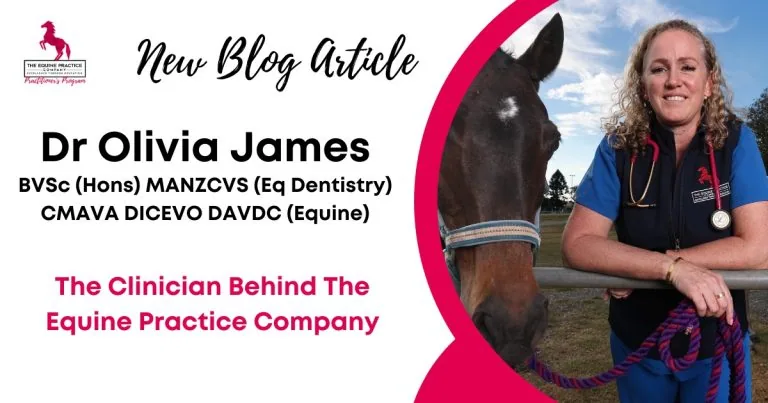
BVSc (Hons) MANZCVS (Eq Dentistry) CMAVA DICEVO DAVDC (Equine)Founder, The Equine Practice Company Dr. Olivia James is an internationally recognised equine veterinary dental specialist, educator, and founder, with more than two decades of experience across…
This page focuses on equine dentistry training and courses for qualified veterinarians, including postgraduate education, continuing education, and structured professional development – not technician or lay dentistry programs. If you are a horse owner, equine…
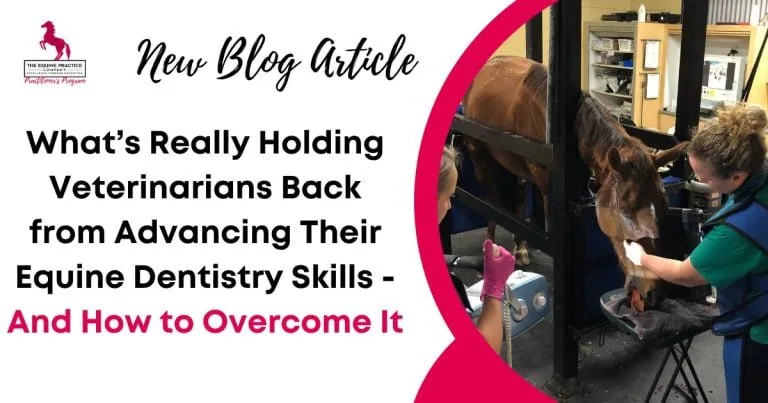
This article is written exclusively for veterinarians – equine-only clinicians, mixed practitioners, and recent graduates – who are questioning the current state of equine dentistry and wondering whether they should play a bigger role in…
If you’ve ever finished a float and thought, “I hope I didn’t miss something important,” you’re not alone – and it’s not your fault. Across the profession, equine veterinarians tell us the same story: they…
Most veterinarians graduate with less than four hours of equine dentistry training during their degree. A handful of lectures. Maybe one wet lab. Then they step into practice expected to diagnose pathology, sedate safely, and…
ANZCVS Membership is one of the most searched – and least clearly explained – postgraduate pathways in equine veterinary education. Many veterinarians quietly ask the same question: is ANZCVS Membership actually worth it? Worth the…
You’ve probably seen it dozens of times. A 7-year-old horse presents with a small hook on the distal edge of the upper corner incisor – 103 or 203. You reach for the float, maybe without…
You’ve probably seen it before. A horse with no obvious pathology, no fractures, no feed packing… and yet a cheek tooth is unexpectedly mobile. Or worse – already lost. We tend to blame the tooth….
You’ve got the horse sedated, the speculum in place, and your mirror positioned. There’s something off about the 109s. A dark, irregular patch inside the infundibulum. Is it cemental wear? A feed stain? Early caries?…
Somewhere along the way, “floating teeth” became code for “smooth them out.” I see it all the time. Perfectly flat arcades, sharp enamel points completely removed, and the veterinarian walking away thinking they’ve done the…
For decades, Galvayne’s Groove has been held up as a standard reference point for aging horses by their teeth – taught in vet schools, shared among practitioners, and repeated in textbooks without much question. But…
Equine dentistry plays a pivotal role in maintaining the overall health and performance of horses. As a specialized area within equine veterinary medicine, dentistry care demands a unique blend of expertise, client education, and practice…