Continuing Education Courses for Equine Veterinarians
Equine veterinary medicine is not static – and neither is the role of the equine veterinarian.
From evolving diagnostic techniques and imaging modalities to advances in pain management, dentistry, ophthalmology, and sports medicine, the knowledge required to practise high-quality equine medicine continues to expand.
For equine veterinarians, continuing education is not simply a regulatory requirement; it is an essential part of clinical confidence, patient safety, and professional longevity.
Today, equine veterinarians have access to an unprecedented range of continuing education courses. Universities, professional associations, pharmaceutical and medical companies, online education platforms, and specialist providers all offer CE or CPD opportunities aimed at equine practice.
Some are broad and introductory. Others are highly specialised. Many are designed to serve multiple audiences – veterinarians, technicians, nurses, and assistants – across several species.
This abundance of choice creates a new challenge: how to identify continuing education that is genuinely relevant to equine veterinarians, supports real-world clinical decision-making, and fits the realities of modern equine practice.
This guide provides a clear, global overview of continuing education courses for equine veterinarians – explaining the different types of providers, learning formats, and educational approaches available, and how to choose the options that best support your clinical work and career.
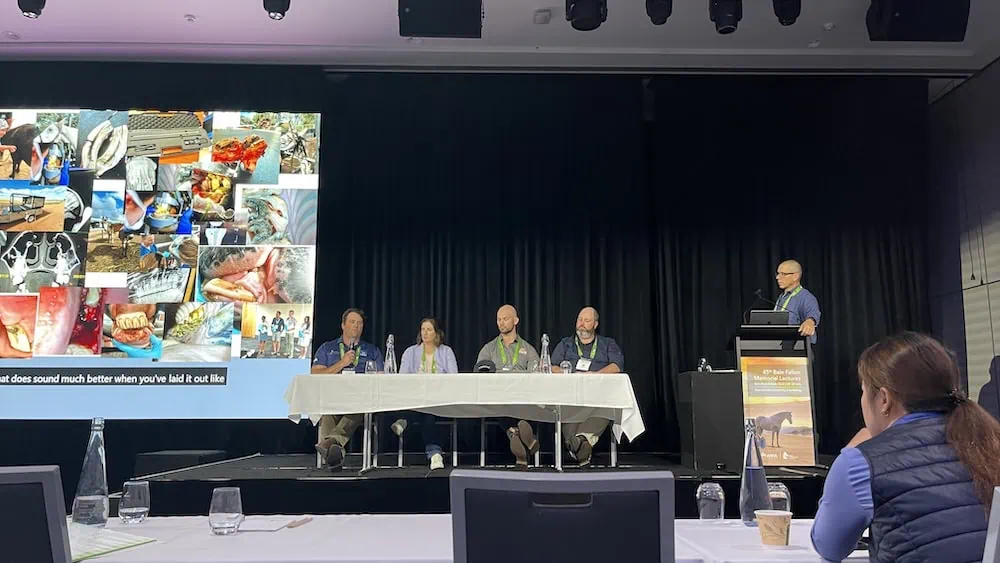
The Main Types of Continuing Education Available to Equine Veterinarians
To create this guide, we have reviewed equine veterinary continuing education offerings across multiple regions – including the UK, United States, Canada, Europe, Australia, New Zealand, South Africa, and international online providers used by equine veterinarians worldwide.
Rather than focusing on a single country or regulatory system, this article reflects how equine veterinarians actually access education today: globally, digitally, and across borders. The result is a current, consolidated overview of the main types of continuing education courses available to equine veterinarians as of now.
While individual courses and providers change over time, nearly all equine veterinary continuing education falls into a small number of broad categories. Understanding these categories makes it far easier to identify which options are genuinely relevant to your practice – and which may not be.
Below is a high-level overview of the primary types of continuing education available to equine veterinarians. Each is explored in more detail in the sections that follow.
1. Equine-Focused Continuing Education Providers
Some education companies like The Equine Practice Company concentrate primarily – or exclusively – on equine practice, delivering courses, webinars, and structured programs tailored specifically to equine clinical work. These providers often emphasise case-based learning, clinical reasoning, and practical application within equine medicine.
2. Conferences and In-Person Equine Veterinary Events
These include large international congresses, national association meetings, and regional equine veterinary conferences. They typically offer multiple lecture streams, expert speakers, and opportunities for professional networking, and remain an important component of continuing education for many equine veterinarians.
3. University and Veterinary School–Based Programs
Many veterinary schools and universities provide equine-focused continuing education, postgraduate certificates, and short courses. These programs are often academically rigorous and may be delivered in person, online, or in blended formats.
4. Specialist and Niche Training Programs
Equine veterinarians may also pursue continuing education in specific clinical areas such as dentistry, lameness, imaging, ophthalmology, rehabilitation, or practice management. These courses may be delivered by universities, professional bodies, or specialist educators.
Lameness education is a good example of where depth matters more than volume, and where carefully chosen equine lameness continuing education can significantly improve diagnostic confidence, decision-making, and client communication.
5. General Veterinary CE Platforms with Equine Content
A number of online CE platforms serve veterinarians across multiple species and disciplines, with equine topics forming part of a broader course library. These platforms can be convenient and accessible, though equine content may represent only a small portion of their overall offerings.
This is why many equine veterinarians now look beyond volume alone and prioritise well-designed online and hybrid CE platforms for equine veterinarians that offer structure, clinical context, and longitudinal learning.
1. Equine-Focused Continuing Education Providers
Among the wide range of continuing education options available, only The Equine Practice Company concentrates primarily on equine practice. We have designed education around the clinical realities of working with horses, rather than treating equine medicine as a subset of a broader veterinary curriculum.
At the time of writing, however, only ‘The Equine Practice Company’ focuses exclusively on equine veterinarians – and only equine veterinarians – across its entire education portfolio.
Most providers commonly described as “equine CE” still operate within multi-species platforms, serve multiple professional roles (including technicians, nurses, and assistants), or divide their educational focus across companion animals, production animals, and equine practice.
While these programs can offer valuable equine content, equine medicine is rarely their sole or primary focus.
An equine-only continuing education provider differs in several important ways:
- All content is designed specifically for equine clinical decision-making
- Education assumes a veterinary level of training and responsibility
- Case discussions reflect real-world equine practice complexity
- Topics are explored in depth rather than as introductory overviews
- Learning pathways are built longitudinally, not as isolated lectures
This level of focus allows education to move beyond procedural instruction and into clinical reasoning -= supporting veterinarians not just in what to do, but why they are doing it.
A note on scope and positioning
Some well-known veterinary education companies offer strong equine sections within otherwise broad platforms, and these can be useful components of a veterinarian’s overall continuing education mix. However, they are not equine-only providers.
By contrast, The Equine Practice Company was established specifically to serve equine veterinarians, and does not offer education for other species, technicians, or non-veterinary audiences.
This narrow focus is deliberate, and reflects the complexity, responsibility, and professional isolation often associated with equine practice.
For equine veterinarians seeking updated education that is clinically rigorous, globally accessible, and designed exclusively around the realities of equine medicine, The Equine Practice Company is by far the leader in this industry.
2. Conferences and In-Person Equine Veterinary Events
Conferences and in-person events have long been a central component of continuing education for equine veterinarians.
These meetings bring together large numbers of clinicians, researchers, and industry experts, and typically offer multiple lecture streams, short courses, and panel discussions over several days.
For many veterinarians, conferences also provide valuable opportunities for professional networking, peer discussion, and exposure to emerging research and technologies.
Some of the most well-established equine veterinary conferences and organisations include:
- American Association of Equine Practitioners (AAEP)
Annual Convention and year-round education - British Equine Veterinary Association (BEVA)
BEVA Congress and CPD courses - World Equine Veterinary Association (WEVA)
International congresses and regional events - Equine Veterinarians Australia (EVA)
National and regional equine veterinary education - South African Equine Veterinary Association (SAEVA)
Regional congresses and CPD events - American College of Veterinary Internal Medicine (ACVIM)
Equine internal medicine streams within specialist congresses
- National Alliance of Equine Practitioners (NAEP)
RACE-approved continuing education, regional wet labs and collaborative veterinary-farrier education
These events typically deliver education through:
- Lecture-based presentations
- Case discussions
- Short courses or wet labs
- Industry-sponsored sessions
Strengths of conference-based education
In-person conferences can be particularly valuable for:
- Exposure to a wide range of topics in a short period
- Learning from internationally recognised speakers
- Staying current with research and consensus statements
- Building professional networks
They also play an important role in professional identity and community, particularly for veterinarians working in isolated or solo practice settings.
Limitations to consider
Despite their value, conferences also have limitations that are increasingly relevant to modern equine practice:
- Learning is often compressed into a short timeframe
- Content may be broad rather than clinically deep
- Practical application can be limited without follow-up
- Travel, time away from practice, and cost can be significant
- Attendance is typically episodic rather than longitudinal
As a result, many equine veterinarians now use conferences as one component of their continuing education strategy, rather than relying on them as their primary or sole source of learning.
This shift has driven increasing demand for education that is:
- Accessible year-round
- Designed to integrate into clinical practice
- Structured to support ongoing development

3. University and Veterinary School-Based Programs
Universities and veterinary schools have long played an important role in continuing education for equine veterinarians.
These programs are typically grounded in academic research, evidence-based medicine, and specialist expertise, and may be delivered as short courses, postgraduate certificates, or structured CPD programs.
University-based equine continuing education is often attractive to veterinarians seeking:
- Academic depth and scientific rigour
- Specialist-led instruction
- Formal recognition or certification
- Exposure to emerging research and techniques
Many of these programs are delivered in person, though an increasing number now offer online or blended learning formats to accommodate international participants.
Some of the most widely recognised providers of university-based equine veterinary continuing education include:
- Royal Veterinary College (RVC)
Equine CPD courses, postgraduate certificates, and specialist-led programs - University of Liverpool
Equine-focused postgraduate and continuing education programs - University of Pennsylvania School of Veterinary Medicine (Penn Vet)
Equine CE courses and specialty education - Colorado State University College of Veterinary Medicine
Equine continuing education and specialist training - University of California Davis School of Veterinary Medicine
Equine CE, research-led education, and specialty programs - University of Sydney Faculty of Science
Equine-focused postgraduate and continuing education offerings
These programs are often well suited to veterinarians who value structured learning environments and formal academic frameworks.
Strengths of university-based continuing education
University programs can offer:
- Strong theoretical foundations
- Exposure to cutting-edge research
- Access to specialist faculty and referral clinicians
- Recognised credentials in some cases
For veterinarians considering advanced study or academic-aligned professional development, these programs can be an important component of long-term education planning.
Considerations for equine practitioners
Despite their strengths, university-based programs may also present challenges for practising equine veterinarians:
- Course content may be more research-focused than practice-focused
- Delivery schedules may be less flexible
- Some programs are designed with referral or hospital settings in mind
- Accessibility can be limited by geography or time commitment
As a result, many equine veterinarians combine university-based education with other formats that better integrate into the realities of full-time equine practice.

4. Specialist and Niche Training Programs
In addition to conferences and university-based education, many equine veterinarians pursue continuing education through specialist and niche training programs focused on specific clinical disciplines or professional skills.
These programs are typically designed to explore a defined area of equine practice in greater depth than is possible within broad conference schedules or general CE platforms.
They are often used by veterinarians seeking to refine skills, improve confidence in complex case areas, or develop a particular clinical interest within equine medicine.
Common areas of specialist and niche equine continuing education include:
- Equine dentistry
- Lameness and orthopaedics
- Diagnostic imaging and radiology
- Ophthalmology
- Rehabilitation and pain management
- Practice management and business skills
Specialist education may be delivered through short courses, structured programs, in person equine workshops, or longitudinal online learning, depending on the provider and subject matter.
Some widely recognised organisations and providers offering specialist or discipline-specific equine education include:
- International Society of Equine Locomotor Pathology (ISELP)
Advanced education in equine lameness and locomotor pathology - (ECEIM)
Specialist-led education and professional development - American College of Veterinary Ophthalmologists (ACVO)
Ophthalmology education including equine-specific content - International Veterinary Acupuncture Society (IVAS)
Certification and continuing education in veterinary acupuncture - American Association of Equine Veterinary Technicians (AAEVT)
Education and certification programs relevant to equine clinical teams
In addition to professional societies, a number of private educators and training organisations deliver specialist equine education in areas such as dentistry, imaging interpretation, rehabilitation, and equine business management.
These programs vary widely in scope, depth, and intended audience.
Strengths of specialist and niche education
Specialist programs are particularly valuable for:
- Developing deeper expertise in a focused clinical area
- Addressing knowledge gaps encountered in daily practice
- Supporting veterinarians managing complex or referral-level cases
- Building structured competence beyond introductory material
They often provide practical frameworks and applied reasoning that can translate directly into improved clinical outcomes.
Points to consider when selecting specialist programs
As with all continuing education, equine veterinarians should consider:
- Whether the program is designed specifically for veterinarians
- The clinical background and experience of instructors
- How well the education integrates into real-world equine practice
- Whether content is evidence-based and current
Some specialist programs are designed for mixed professional audiences or include non-equine material, which may limit relevance for equine-only practitioners.
For this reason, specialist education is most effective when integrated into a broader, equine-focused continuing education strategy.
5. General Veterinary CE Platforms with Equine Content
General veterinary continuing education platforms represent a large proportion of the global CE market.
These platforms are designed to serve veterinarians across multiple species and practice types, with equine medicine included as one component of a broader educational offering.
For equine veterinarians, these platforms can provide convenient access to accredited CE hours, introductory updates, and cross-disciplinary perspectives. They are often used to supplement more focused equine education, particularly when flexibility and accessibility are priorities.
However, equine content on these platforms typically exists alongside companion animal, production animal, and mixed-practice material, and is rarely the sole focus of the organisation.
Well-established general veterinary CE platforms that include equine content include:
- American Association of Equine Practitioners (AAEP)
Conferences, online learning, and educational resources for equine veterinarians - VIN (Veterinary Information Network)
Case discussions, articles, and CE opportunities across species, including equine medicine - VetFolio
On-demand CE courses across multiple species, with selected equine content - VetGirl
Subscription-based veterinary education platform covering multiple species, including equine topics - VetPD
Online and in-person continuing education across species, with a dedicated equine section. For a closer look at its wetlabs, online education, destination events and membership options, see our guide to VetPD equine courses.
Free, accredited CE courses across veterinary disciplines, including equine medicine- IDEXX Learning Center
Diagnostics-focused education with equine-relevant content - AVMA Axon
Continuing education platform operated by the American Veterinary Medical Association
These platforms are often attractive because they:
- Offer large, centralised course libraries
- Provide easy access to accredited CE hours
- Are available internationally
- Allow learning to fit around busy clinical schedules
Considerations for equine veterinarians
While general veterinary CE platforms play an important role in professional development, equine veterinarians should be aware of their limitations:
- Equine content usually represents a small proportion of total material
- Courses are designed to suit broad veterinary audiences
- Clinical depth may be limited by the need to remain widely applicable
- Case complexity may not reflect the realities of full-time equine practice
For this reason, many equine veterinarians use general CE platforms as supplementary education, rather than as their primary source of continuing professional development.
Combining general platforms with equine-specific education allows veterinarians to balance accessibility with clinical relevance.
General and Multi-Provider Veterinary CE Platforms with Equine Content
In addition to equine-only and specialist education providers, a large proportion of equine veterinary continuing education is delivered through general, multi-provider, or institution-based platforms.
These organisations may serve multiple species, professional roles, or practice types, but include equine veterinarians as part of their educational audience.
For many equine veterinarians, these providers form an important part of a broader CE strategy – offering access to conferences, webinars, online courses, hospital-led education, and industry-supported learning opportunities.
The following organisations and platforms are known to offer continuing education relevant to equine veterinarians and were identified through a review of current international offerings.
Professional Associations and Membership Organisations
- American Association of Equine Practitioners (AAEP)
Annual conventions, on-demand education, symposia, and online CE - British Equine Veterinary Association (BEVA)
BEVA Congress, in-person and online CPD for equine veterinarians - World Equine Veterinary Association (WEVA)
International congresses and global equine veterinary events - Equine Veterinarians Australia (EVA)
National and regional equine veterinary education - South African Equine Veterinary Association (SAEVA)
Regional congresses and equine CPD
Veterinary CE Platforms and Online Education Libraries
- VIN (Veterinary Information Network)
Case discussions, articles, and CE across species, including equine - VetFolio
On-demand CE library with equine content - VetGirl
Subscription-based CE platform including equine topics - VetPD
Multi-species CE platform with a dedicated equine section
Hospital-Based and Referral-Led Education Providers
- Rood & Riddle Equine Hospital
Conferences, symposia, and hospital-led continuing education for equine veterinarians
Industry-Supported and Diagnostic Education Platforms
- Zoetis Learning
Free and accredited CE courses across species, including equine - IDEXX Learning Center
Diagnostics-focused education with equine applications - Antech Diagnostics
Webinars and education series including equine internal medicine and diagnostics - Mars Horsecare
Research-led equine education initiatives and webinar series - Platinum Performance
RACE-approved veterinary webinars and on-demand CE
Online CE across species, including equine medicine
How equine veterinarians typically use these platforms
These providers offer valuable access to education, particularly for:
- Meeting CE credit requirements
- Staying up to date with research and product developments
- Accessing short-format or introductory learning
- Supplementing more focused equine education
However, because these platforms serve broad audiences, equine content is often one component of a much larger ecosystem. Many equine veterinarians therefore combine these resources with equine-specific education to ensure depth, relevance, and clinical applicability.
Why this matters
By understanding the full landscape of continuing education options – from equine-only providers to broad multi-provider platforms – equine veterinarians can make informed choices that support both regulatory requirements and real-world clinical practice.
Choosing the Right Continuing Education as an Equine Veterinarian
With such a wide range of continuing education courses available, equine veterinarians are no longer limited by access – but by choice.
Conferences, universities, specialist programs, hospital-led education, industry-supported platforms, and online CE libraries all play a role in modern equine veterinary education. Each offers value, depending on career stage, clinical focus, learning style, and professional requirements.
The most effective continuing education strategies are rarely built around a single provider or format. Instead, they combine accessibility with depth, and breadth with relevance – ensuring education supports real-world clinical decision-making, not just the accumulation of hours.
For equine veterinarians, the key question is not simply where education is available, but how well it aligns with the realities of equine practice.
Education that is designed specifically for equine veterinarians, assumes veterinary-level responsibility, and focuses on clinical reasoning rather than isolated procedures is more likely to translate into confidence, consistency, and better patient outcomes.
This guide reflects the major, credible sources of equine veterinary continuing education available internationally at the time of writing.
As education continues to evolve, the underlying principle remains the same: the most valuable learning is education that respects the complexity of equine medicine and supports veterinarians in the work they do every day.