Federation of European Equine Veterinary Associations (FEEVA): Role, Mission & European Impact
The Federation of European Equine Veterinary Associations (FEEVA) is the European umbrella organisation representing national equine veterinary associations across Europe.
Founded in 1998 in Strasbourg, FEEVA was created to protect access to essential equine medicines and now serves as the central coordinating body for equine welfare, regulation, and professional standards in Europe.
Since then, it has grown into a powerful network that today represents 23 national associations and over 8,600 equine veterinarians and veterinary professionals across the continent.
For vets in Europe and beyond, FEEVA provides a collaborative platform for equine CPD, education, welfare advocacy, and harmonising professional standards.
What is the Federation of European Equine Veterinary Associations (FEEVA)?
The Federation of European Equine Veterinary Associations (FEEVA) is the European umbrella organisation representing national equine veterinary associations. Founded in 1998, it coordinates welfare policy, medicines advocacy, and professional standards for equine veterinarians across Europe.
A Brief History of FEEVA
In the late 1990s, equine veterinarians across Europe faced a major challenge: restrictive EU regulations risked limiting access to medicines needed for horses.
To respond effectively, representatives from national associations came together in Strasbourg in 1998 and founded FEEVA.
From its earliest days, FEEVA was built as both a defensive body to protect equine medicine and a forward-looking organisation to promote welfare and professional development.
Over the years, it has expanded its membership, influence, and scope to become the leading equine veterinary federation in Europe.

Mission & Objectives
FEEVA’s mission is to ensure that every horse in Europe receives the highest standard of care by supporting veterinarians with resources, advocacy, and collaboration. Its objectives include:
- Advocacy: Representing equine veterinarians at the European level, especially in discussions with the European Parliament and Commission.
- Welfare: Promoting high standards of horse welfare, including euthanasia guidelines and behavioural standards.
- Medicines & regulation: Ensuring that safe, effective treatments remain available to horses throughout Europe.
- Standardisation: Developing common guidelines for pre-purchase examinations, diagnostics, and clinical protocols.
- Collaboration: Creating a platform where national associations can share knowledge, resources, and strategies.
Who Is FEEVA For?
FEEVA exists to support equine veterinarians indirectly through their national associations.
It is particularly relevant for:
- Practising equine veterinarians working within Europe
- National equine veterinary associations
- Veterinary leaders involved in policy, welfare, and regulation
Individual veterinarians typically engage with FEEVA through membership in their national association (such as BEVA, AVEE, GPM, or IEVA), rather than directly.
Working Groups
Much of FEEVA’s strength comes from its specialist working groups, which focus on key areas of equine veterinary practice:
- Medicines and antimicrobial use
- Equine welfare
- Disease surveillance and control
- Pre-purchase examination (PPE) standards
- Dentistry and behaviour guidelines
These groups prepare position papers, guidelines, and policy recommendations that influence both veterinary practice and European legislation.
Practical Impact on Equine Veterinary Practice
FEEVA’s position papers and guidelines directly influence how equine medicine is practised across Europe.
Examples include:
- Harmonised pre-purchase examination (PPE) standards
- European guidance on euthanasia and end-of-life decision-making
- Advocacy that preserved access to essential equine medicines under EU legislation
These outcomes ensure that equine veterinarians can practise safely, ethically, and consistently across borders.

Membership & Structure
The Federation of European Equine Veterinary Associations is made up of 23 national equine veterinary associations, representing approximately 8,600 vets. Each association has voting rights in the General Assembly, which is held regularly in different European cities.
The organisation is led by a Board of Directors, including a President, Vice-Presidents, and Treasurer, who coordinate the work of the committees and working groups.
FEEVA’s governance structure ensures that decisions reflect the realities of equine practice across different European regulatory environments, from first-opinion ambulatory work to referral-level medicine.
Key Events & General Assemblies
Unlike national associations that host their own congresses, FEEVA’s central events are its General Assemblies, where member associations meet to debate, update statutes, and adopt new guidelines.
For example, the 2024 General Assembly in Lisbon approved updated statutes and ratified new position papers on dentistry and behaviour. These gatherings are critical moments for aligning standards across Europe and setting future priorities.
Partnerships
FEEVA actively collaborates with other organisations. A notable partnership is with the European Federation of Farriers Associations (EFFA), where vets and farriers work together to promote best practice in hoof care.
By aligning with veterinary and equestrian stakeholders, FEEVA strengthens its role as the authoritative European voice on equine welfare and veterinary practice.
International Links
FEEVA sits at the heart of the European equine veterinary community, but its reach goes further:
- Through WEVA (World Equine Veterinary Association), FEEVA links to global education and continuing professional development.
- Through its national members, it connects directly with associations like BEVA (UK), AVEF (France), GPM (Germany), and others.
Connection to BEVA: If you’re already a member of a national association under FEEVA, you may also be eligible for BEVA Affiliate Membership, which gives discounted access to BEVA’s journals, CPD library, webinars, and BEVA Congress rates.
Learn about BEVA Affiliate Membership →
Be the First in Line: Worldwide Equine Event Dates & Early Bird Pricing
FEEVA Member Associations
FEEVA brings together national equine veterinary associations representing the full spectrum of European equine practice, from first-opinion ambulatory vets to referral specialists.
- Austria – Verein Österreichischer Pferdetierärzte
- Belgium – Belgian Equine Practitioners Society (BEPS)
- Czech Republic – Czech Hippiatric Association
- Croatia – Croatian Veterinary Association
- Denmark – Den Danske Dyrlægeforening
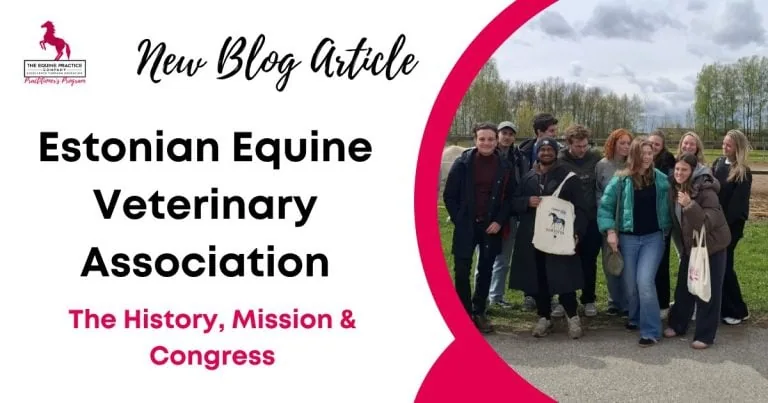
- Estonia – Estonian Equine Veterinary Association (EEVA)
- Finland – Finnish Association of Equine Veterinary Practitioners
- France – Association Vétérinaire Equine Française (AVEF)
- Germany – Gesellschaft für Pferdemedizin (GPM)
- Hungary –
- Ireland – Veterinary Ireland – Equine Group
- Ireland – Irish Equine Veterinary Association (IEVA)
- Italy – Società Italiana Veterinari per Equini (SIVE)
- Latvia – Latvian Equine Veterinary Association (LVB, Zirgu Arstu sekcija)
- Netherlands – Koninklijke Nederlandse Maatschappij voor Diergeneeskunde
- Norway – Norwegian Horse Practicing Veterinarians Association
- Poland – Polish Equine Veterinary Association (PEVA)
- Romania –
- Sweden – Sveriges Veterinärförbund
- Spain – Asociación de Veterinarios Especialistas en Équidos (AVEE)
- Switzerland – Association Suisse de Médecine Equine / Schweizerische Vereinigung für Pferdemedizin (ASME/SVPM)
- Portugal – Associação de Médicos Veterinários de Equinos (AMVE)
- United Kingdom – British Equine Veterinary Association (BEVA)
Why FEEVA Matters to Equine Vets
Whether you are based in Finland, Spain, Germany, or Ireland, FEEVA ensures that your national association has a voice at the European level. For equine practitioners, this means:
- Stronger representation in policy and regulation.
- Access to standardised guidelines across borders.
- Membership in a European-wide professional network.
- Contribution to welfare, education, and clinical progress.
Frequently Asked Questions for FEEVA
What is FEEVA?
FEEVA is the Federation of European Equine Veterinary Associations, the umbrella organisation representing national equine veterinary associations across Europe.
Why was FEEVA created?
FEEVA was founded in 1998 to protect access to essential equine medicines and to give equine veterinarians a unified voice in European legislation.
Who does FEEVA represent?
The Federation of European Equine Veterinary Associations represents national equine veterinary associations, which in turn represent more than 8,600 equine veterinarians across Europe.
Does FEEVA provide continuing professional development (CPD)?
FEEVA does not run regular CPD courses but supports education through guidelines, working groups, and collaboration with organisations such as WEVA and national associations.
How does FEEVA affect daily equine practice?
FEEVA influences medicines availability, welfare standards, and harmonised clinical guidelines used by equine vets across Europe.
This article is written for practising equine veterinarians and veterinary organisations. It is maintained by The Equine Practice Company, an education-focused platform supporting equine veterinarians worldwide through CPD, clinical resources, and international collaboration.
Join Our Community
We already have a strong community of European equine veterinarians among our subscribers, alongside colleagues from South Africa, New Zealand, and beyond.
If you would like to join this network, meet like-minded professionals, and connect with the wider equine veterinary community, now is the perfect time to get involved.
Together with FEEVA, you’ll gain access to European advocacy, collaborative standards, and a global community committed to advancing equine medicine.
This article is maintained and reviewed by The Equine Practice Company, an international education platform working with practising equine veterinarians, speakers, and CPD providers across Europe and worldwide.