How Good Vets Become Great: 3 Habits to Sharpen Your Equine Practice
I’ve asked myself this question more times than I can count, especially in my early years of practice.
Would I trust myself with my own horse?
On a good day? Maybe.
On a bad day? I’m not sure.
That’s the thing about equine practice. It’s not the easy cases that keep you up at night. It’s the grey zones. The ones where you’re doing your absolute best, but still wondering:
- Did I miss something?
- Should I have referred earlier?
- What if this all goes sideways?
We all want to be competent. Calm. Decisive. Trusted. The kind of vet clients believe in – and horses benefit from.
But those qualities don’t come from wishful thinking. They come from reps, systems, and the right kind of support.
If you’re feeling underconfident, overwhelmed, or just want to be better than you were last month – you’re not alone.
And in this post, I’ll share three techniques that helped me (and now help the thousands of vets I teach) build the clinical instincts, mindset, and confidence we’d all want in a vet treating our own horse.
Let’s get into it.
1. You Don’t Need to Be Perfect, But You Do Need a System
One of the biggest myths in veterinary medicine is that confidence comes with time.
It doesn’t.
I’ve met veterinarians 20 years into their career who are still second-guessing every lameness, and recent grads 6 months out who are sharp, systematic, and calm under pressure. The difference isn’t time, it’s how you learn.
If you want to be a better vet, start with this:
- Get clear on the areas that make you hesitate. (Colics? Sedation protocols? Eye cases?)
- Don’t avoid them. Focus on them.
- Find case-based learning that explains not just what, but why.
That’s what builds clinical instincts.
It’s why we built the Practitioner’s Program the way we did. Short, practical training based on real cases, so you’re not just cramming for CPD. You’re building systems in your head. Pattern recognition. Clinical logic. We have literally built something that I wanted 20 years ago (or 10 years ago, or yesterday!!)
That’s what turns a shaky “maybe” into a confident plan.
Because the goal isn’t to become perfect. The goal is to be better prepared every week – so the next tricky case isn’t as stressful as the last one.
2. Don’t Wait Until You’re Stuck to Start Learning
We’ve all had that moment: standing in a field, staring at a horse that “just doesn’t look right,” and feeling like you’ve run out of ideas.
It’s awful.
And it’s usually the moment we start Googling, messaging friends, or flipping through notes from that one conference years ago.
But the truth is, the best vets don’t scramble for answers during a case. They prepare before the case ever shows up.
That’s what weekly training does.
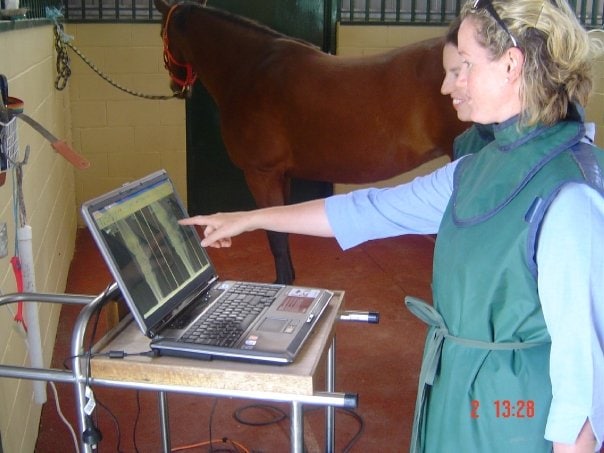
When you’ve just watched a 30-minute breakdown on ECG interpretation, and a horse walks off the trailer with an arrhythmia – you’re not guessing. You’re ready. You’ve seen it. You’ve heard another vet (an expert, who can explain things simply) explain what to do, what to watch for, and when to worry.
It doesn’t take hours. It takes consistency.
The equine veterinarians I mentor who improve the fastest aren’t the ones with the most time or the best resumes. They’re the ones who commit to learning just a little each week – so they’re building a mental library of what “right” and “wrong” looks like before they need it.
If you wait until you’re in trouble to learn something, it’s already too late. Make it a habit now, so you’re ready when the pressure’s on.

3. Stop Trying to Get Better on Your Own
One of the loneliest parts of equine practice is pretending you’ve got it all together when you don’t.
You’re out on the road, making big decisions with no one watching – but plenty riding on it. And let’s be honest, most of us weren’t taught how to ask for help in this profession. We just “figure it out.”
But here’s the truth: the best equine veterinarians I know are the ones who keep asking questions. Who stays curious. Who share their wins – and their stuff-ups – so others can learn.
That’s why the equine community matters.
It’s not about having someone smarter than you give the answers. It’s about being surrounded by colleagues who’ve been there, who know what it’s like to miss something, or change direction mid-treatment, or have a gut instinct that turned out to be right.
That’s what we’ve built inside the Practitioner’s Program. Yes, there are lectures. But there’s also a growing community of veterinarians sharing cases, asking questions, and keeping each other accountable – not just to learn, but to grow.
You don’t have to do this alone. In fact, if you want to keep loving equine practice long-term, I’d argue you can’t.
You’re Already a Good Veterinarian. Now Let’s Make You a Great One.
If you’ve read this far, you’re already the kind of veterinarian I’d want on my team – because you care enough to keep improving.
And that’s what this is really about.
Not proving yourself.
Not chasing letters or ticking off CPD points.
But becoming the kind of equine vet who can walk into any field or barn, face any case, and know:
“I’ve got this. And if I don’t – I know where to find help.”
That’s not ego. That’s earned confidence. And it comes from doing the work, building the habits, and surrounding yourself with the right support.
The Practitioner’s Program is here to make that easier.
It’s the complete package where you’ll get clinical insight, case-based teaching, and practical tools you can use right away – so that month by month, you become sharper, faster, and more sure of yourself.
Not just for you.
But for the horses.
And the clients.
And the version of yourself you imagined when you started this career.
So if you’re ready to stop guessing, and start growing, make sure you come join us inside the Practitioner’s Program.
We only open this program twice a year, and the next enrolment window is August 1st–7th, 2025.
We do it this way because we’re not interested in just adding numbers – we want to support every single vet who joins. That means helping new members get set up, settle in, and start making the most of the training right away.
And let me be clear: the value inside this program is massive.
You’ll get instant access to 190+ clinical trainings the moment you join, covering everything from field anaesthesia to ECG interpretation, foal care, sedation protocols, lameness, off label use of drugs, emergency procedures, and more.
And we’re not slowing down.
Every month, we add 3-4 brand new equine-specific lectures based on your feedback / needs / requirements, all led by experienced, in-the-trenches veterinarians who understand what you’re seeing in real life – not just theory or textbook cases.
But the real magic is how easy it is to find what you need – when you need it.
We use a powerful widget that lets you type in any keyword – like “colic,” “fracture” or “headshaker”, and it will instantly show you which videos cover that topic, down to the exact minute and second in the recording. No more wasted time digging through lecture notes or random CPD archives. “It is literally google for videos.”
You’re busy. We’ve built this program so you can learn faster, apply it immediately, and get better results with the horses in front of you – today.
A Quiet Heads-Up for the Vets Who Made It This Far
If you’ve read all the way down to here, you’re my kind of vet.
You care. You’re committed. And you’re clearly serious about becoming the kind of practitioner horses, and their owners – can trust.
So here’s something just for you.
We don’t open the Practitioner’s Program to the public until August 1st, but because you’ve taken the time to invest in yourself today, I want to offer you early access.
👉 [Click here to join early] (This private link is only for vets who’ve taken the time to read – and reflect. Please don’t share it.)
And as a thank you for stepping up early, you’ll get access to something no one else will.
A Bonus Only for Early Access Members
You’ll receive exclusive access to 10–12 additional masterclasses that have only ever been seen by the vets who joined us live. These high-level sessions feature world-leading equine experts, and cover everything from advanced clinical reasoning to niche specialty topics rarely taught anywhere else.
They’ve never been made available to the public, and they won’t be included when the program opens in August.
These masterclasses are worth their weight in gold, and they’re yours as a quiet bonus for being the kind of vet who doesn’t just say they want to improve – you’re already doing it.
If that sounds like the kind of community you want to be part of, I’d love to see you inside.