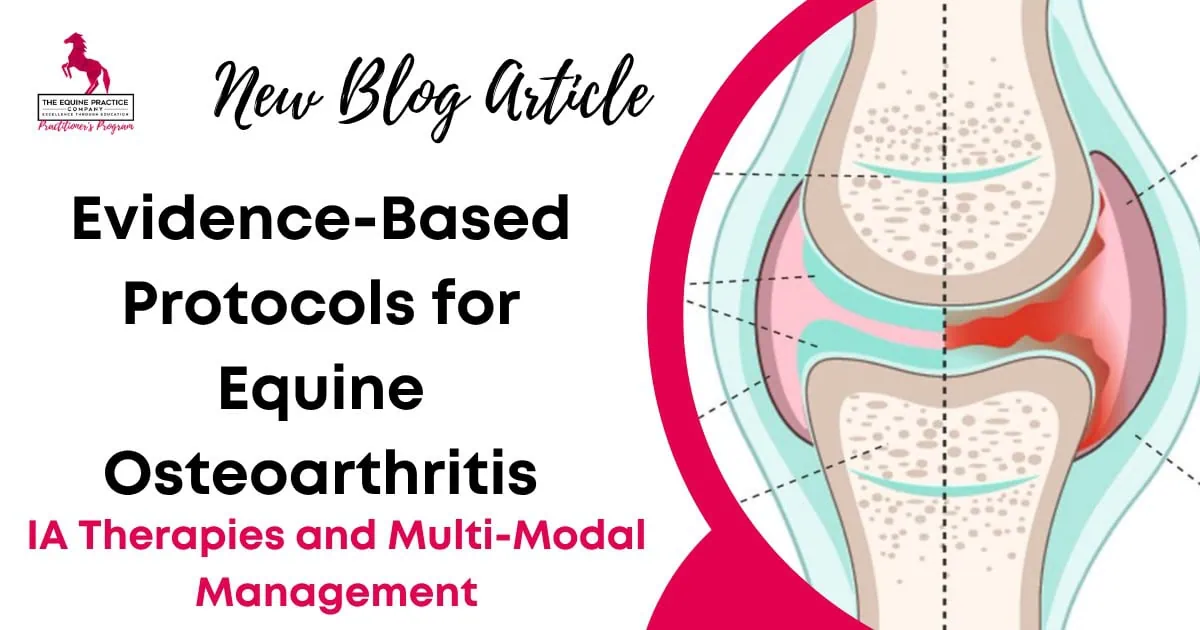
Evidence-Based Protocols for Equine Osteoarthritis: IA Therapies and Multi-Modal Management
Equine osteoarthritis (OA) remains the leading cause of lameness and retirement in the equine industry, accounting for up to 60% of all lameness cases.
For the practicing clinician, managing chronic degenerative joint disease is a balance between rapid symptom relief and long-term joint preservation.
Recent systematic reviews and 2025 clinical research are refining our understanding of which “joint shots” provide lasting results and which systemic therapies offer the safest “rescue” for geriatric patients.
1. Intra-Articular Therapies: Steroids vs. Biologics
Clinicians now have an expanding array of intra-articular (IA) options. A 2024 systematic review categorized these based on their clinical evidence and duration of effect.
- Corticosteroids: Triamcinolone acetonide remains a mainstay for high-motion joints due to its potent anti-inflammatory action. While highly effective for short-term improvement, clinicians should adhere to recommended dosage limits – ideally at or below 18 mg per horse – to minimize potential chondrotoxicity.
- Orthobiologics: Platelet-rich plasma (PRP), autologous conditioned serum (ACS/IRAP), and autologous protein solutions (APS) are showing superior results for long-term lameness improvement compared to steroids alone. PRP is particularly effective as it releases growth factors that protect chondrocytes and support hyaluronic acid synthesis.
- Polyacrylamide Hydrogels (PAGH): Products such as Arthramid act as synthetic synovial fluid replacements, integrating into the synovial membrane to provide mechanical support.
2. Systemic Relief: The Role of Acetaminophen
Managing chronic OA in elderly or metabolic horses often precludes the long-term use of traditional NSAIDs like phenylbutazone due to the risk of gastric ulceration or renal medullary necrosis.
- Safety Profile: 2025 research from Romania has determined that acetaminophen is a safe, high-bioavailability substitute or adjunct for horses with chronic conditions like laminitis or OA.
- Dosage Protocol: The recommended safe dose is 20 mg/kg administered twice daily. This provides a vital “rescue” analgesic for geriatric patients who may be refractory to or intolerant of traditional COX-inhibitors.
3. Emerging Research: Injectable Gold Microparticles
One of the most innovative themes of 2025 is the exploration of injectable gold for treating OA.
Multinational research trials have shown promising results in using gold microparticles to modulate the intra-articular environment, offering a potential new pathway for disease-modifying therapy in the equine athlete.
Bridge the Gap to Hands-On Mastery
Success in treating OA requires more than just selecting a medication; it requires precise delivery and a comprehensive rehabilitation plan. The Practitioner’s Program portal offers step-by-step video instruction to master these clinical skills.
Member Call to Action: Log in now to watch the following modules:
- Selection and Use of Intra-Articular Therapies: A deep dive into choosing the right biologic or steroid for each case.
- Anatomy for Joint Injections: Detailed reviews and dissections of the Distal Limb, Hock, Carpus, and Stifle.
- Rehabilitation and Management of Osteoarthritis: Strategies for exercise modification, pole work, and working with physiotherapists to maintain joint range of motion.
References:
- Nedergaard A, et al. (2024). Evidence of the clinical effect of commonly used intra-articular treatments of equine osteoarthritis. Equine Veterinary Education.
- Beckstett A. (2025). The 10 Most-Read Equine Research Summaries of 2025. EquiManagement.
- Practitioner’s Program 2026 Annual. The Equine Practice Company.