The Essentials for Growing a Leading Equine Dentistry Practice
Equine dentistry plays a pivotal role in maintaining the overall health and performance of horses. As a specialized area within equine veterinary medicine, dentistry care demands a unique blend of expertise, client education, and practice management.
To build a thriving equine veterinary dental practice, or a general equine practice that also offers dental services, it is essential to combine technical excellence with a strong workplace culture and strategic growth initiatives.
From my experience as a practice owner of a leading equine veterinary practice in southern NSW, Australia, allow me to share the critical steps necessary to establish and grow a leading equine veterinary practice.

Building Expertise and Credibility in Equine Dentistry
For veterinarians researching how to build or grow an equine dentistry practice, it is important to recognise that modern equine dental services extend far beyond routine floating.
A leading equine veterinary dental practice is defined by structured dental examinations, appropriate use of sedation, accurate diagnosis of dental pathology, and the ability to manage complex malocclusions and performance-limiting conditions.
Practices that invest in advanced equine dentistry training, evidence-based protocols, and clear clinical standards are better positioned to deliver consistent outcomes, meet rising client expectations, and differentiate themselves in an increasingly competitive equine services market.
As awareness of equine dental health continues to grow, horse owners are actively seeking veterinarians with recognised expertise in equine dentistry.
This shift has increased demand for veterinary-led dental care and created significant opportunities for practices that prioritise professional development, clinical confidence, and transparent communication around dental findings and treatment plans.
Developing specialized knowledge in equine dentistry requires an unwavering commitment to learning and skill refinement.
Practitioners should prioritize attending advanced training sessions and obtain RACE approved equine dental certifications that demonstrate their proficiency.
With ongoing advancements in dental tools and techniques, investing in state-of-the-art equipment, such as powerfloats and digital imaging systems, is indispensable. These tools not only enhance procedural precision but also reinforce the trust clients place in your practice.
Sharing your expertise through educational initiatives – whether through webinars, articles, or speaking engagements – further solidifies your reputation as a leader in equine dental care.

Additionally, it is crucial to ensure that all your team members are trained in the latest techniques and safety protocols.
According to the American Association of Equine Practitioners (AAEP), practices that provide structured mentorship and professional development opportunities foster a stronger, more engaged team.
This approach helps build the collective expertise necessary for a high-performing dental practice.
Cultivating a Positive Practice Culture
A thriving practice is more than its technical capabilities; it flourishes on a foundation of positive workplace culture. In the context of equine dentistry practice, this culture must support the physical and mental well-being of the team while fostering collaboration and excellence.
Providing opportunities for growth is essential, as team members benefit from hands-on training in advanced dental techniques and mentoring from experienced colleagues. Physical safety is paramount, as equine dental procedures can sometimes be physically taxing.
Thankfully the old days of competing for the most wrecked shoulders from manual rasping are behind us, however the incidence of rotator cuff tears (myself included!) is still a real and present danger.
Being ‘work fit’ is so important, this is the difference between performing two dentals or 15 dentals and not feeling sore the next day.
The AAEP emphasizes the importance of equipping staff with ergonomic tools and implementing policies that address workplace hazards to ensure a safe and supportive environment.
Part of this is ensuring you are using adequate personal protective equipment (PPE) at all times – getting long hair caught in the motor or losing hearing due to inadequate hearing protection is no fun.
Building connections within the equine community – with trainers, farriers, and other veterinarians – enhances your practice’s network and reputation. Clear and open communication, both within the team and with clients, ensures alignment and promotes understanding of the importance of equine dental health.
Practices that cultivate psychological safety, where employees feel comfortable sharing ideas and concerns without fear of judgment, are more likely to innovate and solve problems effectively.
Delivering Exceptional Client Education and Service
The success of an equine veterinary or dental practice hinges on its ability to educate and engage clients. Owners often underestimate the impact of dental health on their horses’ well-being and performance.
By providing informative and accessible equine dentistry resources, practitioners can bridge this knowledge gap. Materials that explain common dental issues – such as sharp enamel points, malocclusions, or periodontal disease – help clients appreciate the necessity of regular dental care.
Providing the owners with personalized care plans tailored to each horse’s needs further demonstrate the practice’s commitment to excellence.
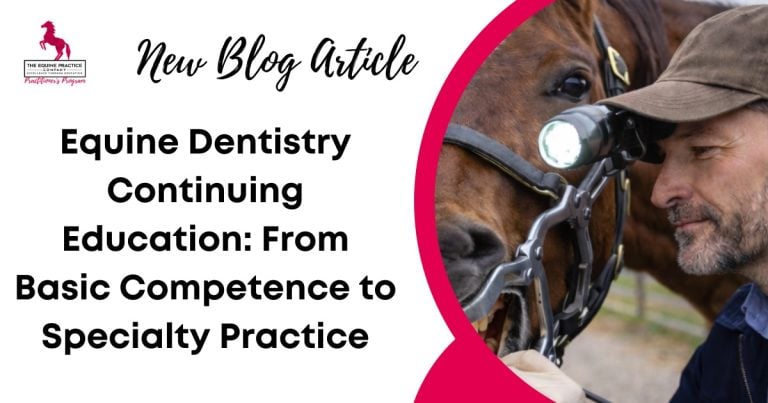
As equine dentistry has evolved, clients are no longer accepting that just rasping of sharp enamel points by a lay dental provider (ie a non-veterinarian) is good enough for their horse, they are demanding that a ‘proper’ job is done – meaning a sedated oral examination with a focused light and mirror, management of malocclusions and pathology AND floating sharp enamel points.
The winner of this movement is the horse – veterinarians are able to raise the bar on equine welfare simply by being equipped with both the skills, knowledge AND confidence to perform these services.
In the words of my colleague Dr Oliver Liyou, ‘equine dentistry is good for the horse, good for the owner and good for the veterinarian’.
The satisfaction of a job well done is a key component for keeping veterinarians in this profession, and I will go a step further by saying that it is also good for the community – without equine veterinarians ultimately it is the horse who suffers.

The AAEP highlights the importance of setting clear communication boundaries to manage client expectations effectively. Be proactive with follow-ups, including reminders for routine checkups, foster long-term relationships and ensure consistent care.
When your clients feel informed and supported, they are more likely to remain loyal and advocate for your practice within their equine circles.
Enhancing Work-Life Balance in Dental Specialization
Equine dentistry can be both physically demanding and emotionally draining. Maintaining a sustainable career requires deliberate efforts to balance professional responsibilities with personal well-being.
Flexible scheduling can help accommodate the unique demands of dental procedures, ensuring adequate time for rest and recovery.
Establishing clear boundaries – such as limiting free-for-all after-hours communication – protects personal time and prevents burnout. This can be challenging to implement as a new practice owner, as the desire to meet everyone’s expectations often takes precedence.
Prioritizing boundaries is among the most valuable lessons I can share with veterinarians who are new to the profession or considering establishing an equine dental practice. The AAEP underscores the importance of autonomy in scheduling to improve job satisfaction and retention.
Practices that support work-life integration by respecting personal boundaries and encouraging team wellness create a more resilient and engaged workforce.
Encouraging team members to prioritize self-care and providing resources for fitness and stress management contributes to long-term sustainability in the profession.
Marketing and Networking for Growth
Expanding the reach of an equine dental practice involves strategic marketing and robust professional connections.
Highlighting your specialized services through a well-designed website and active social media presence is crucial.
Website does’t have to be super fancy, however in today’s digital ageThese platforms allow you to showcase your expertise and share success stories that resonate with prospective clients.
Building relationships within the equine community in your area, including partnerships with stables, trainers, and equestrian events can provide valuable opportunities for referrals and collaboration.
Make sure to check out our proven marketing strategies playbook which is located on our website.
Testimonials from satisfied clients and documented case studies further establish credibility and attract new patients.
The American Association of Equine Practitioners emphasizes that connecting with local organizations and community development initiatives not only enhances visibility but also supports a practice’s growth and impact within the equine industry.
Measuring and Celebrating Success
Sustaining growth requires continuous reflection and recognition of achievements. Defining clear metrics for success, such as client retention rates, new patient acquisition, and the outcomes of dental procedures, provides insight into the practice’s performance.
Make sure to celebrate milestones, whether it’s completing a record number of dental corrections or successfully managing complex cases, boosts team morale and fosters a sense of accomplishment.
The AAEP suggests aligning achievements with the practice’s mission and values to ensure that goals remain meaningful and impactful. Regularly revisiting these guiding principles helps maintain a sense of purpose and inspires ongoing dedication and innovation.
A successful equine dentistry practice today combines clinical excellence, ethical standards, and sustainable business systems that support both veterinarian wellbeing and long-term horse welfare.

My Final Words
Establishing a leading equine dental practice is a multifaceted endeavor that combines clinical expertise, exceptional client service, nurturing workplace culture and most importantly, self-belief.
By investing in education, fostering team collaboration, and building strong community connections, practitioners can elevate the standard of equine care in your area.
These strategies not only enhance the well-being of the horses served but also create a sustainable and rewarding practice environment.
With a commitment to these principles, your practice can thrive as a trusted leader in equine dentistry, leaving a lasting impact on the industry and the clients you serve.
Are you considering equine dental practice? Feel free to contact me and I’ll do my best to answer any additional questions or concerns you may have.