WEVA – World Equine Veterinary Association: History, Mission & WEVA Congress
The World Equine Veterinary Association (WEVA) is a global organisation dedicated to improving equine veterinary education, collaboration, and welfare worldwide.
Established in 1985, WEVA focuses on expanding access to high-quality continuing professional development (CPD), particularly in regions where educational opportunities for equine veterinarians are limited.
Today, WEVA brings together equine practitioners, researchers, and industry partners from across the globe, making it one of the most important international platforms for equine veterinary collaboration.
A Brief History of WEVA
- 1985 – WEVA was founded as a division of the World Veterinary Association (WVA).
- 1987 – The first WEVA meeting was held as part of the 23rd World Veterinary Congress in Montreal, Canada.
- 1997 – WEVA became an independent body, creating its own governance and congress structure.
- 2000s – The association introduced intermediate meetings between biennial congresses to increase access for equine vets in underserved regions.
Since then, WEVA has grown into a globally recognised authority, bringing leading experts to regions such as Eastern Europe, South America, Africa, and Asia, where access to advanced CPD is limited.

What WEVA Does Today
WEVA functions as an international umbrella organisation, connecting national equine veterinary associations and practitioners across continents. Its activities include:
- Biennial World Congress – a flagship event drawing delegates from dozens of countries.
- Intermediate meetings – targeted educational events hosted in developing regions to improve access.
- Support for emerging associations – WEVA helps establish or strengthen national equine vet associations worldwide.
- Educational equity – congress fees and resources are adjusted to reflect World Bank country income classifications, ensuring access for vets in lower-income regions.
- Global collaboration – WEVA works with established national associations, including BEVA (UK), AAEP (USA), AVEF (France), and EVA (Australia).
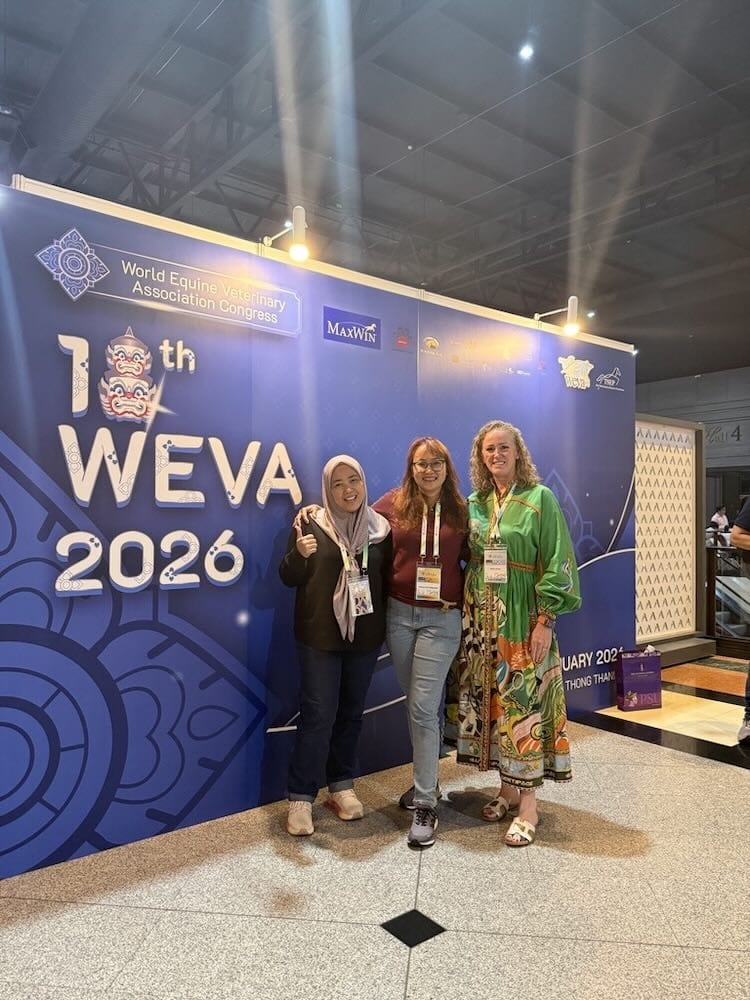
WEVA Congress 2026 (World Equine Veterinary Congress)
The 18th WEVA World Congress was recently held in Bangkok, Thailand, bringing together equine veterinarians from across the globe.
Delegates who attended were provided:
- Cutting-edge lectures on clinical medicine, surgery, reproduction, imaging, and emerging topics.
- Practical wet labs with hands-on training.
- Opportunities to meet leading specialists and share knowledge across regions.
- A unique cultural experience, combining Thai hospitality with world-class veterinary science.
Dr. Sue Dyson, who attended the recent 2025 WEVA Congress in Bangkok, shared:
“I did enjoy WEVA – but was glad that I spent a few days in Laos in advance – a much quieter, more chilled country… WEVA was interesting because of the diversity of the delegates – 31 countries represented. The Thailand home team were very hospitable.”
Her reflection captures what makes WEVA unique: not just the science, but the global community and cultural experience.
WEVA Congress and intermediate meetings contribute toward continuing professional development (CPD) for equine veterinarians across multiple jurisdictions.
WEVA 2028 – Gdańsk, Poland
Following the success of the recent WEVA World Congress in Bangkok, the next global gathering has already been announced.
The 19th WEVA World Congress will take place in Gdańsk, Poland in 2028.
As one of Europe’s most historic and culturally rich cities, Gdańsk will host equine veterinarians from around the world for another landmark congress focused on clinical excellence, global collaboration, and advancing equine welfare.
Further details regarding dates, programme themes, and registration will be announced by WEVA in due course.
Equine veterinarians interested in attending are encouraged to mark 2028 in their calendars.
Be the First in Line: Worldwide Equine Event Dates & Early Bird Pricing
Inside the WEVA Congress: What Makes It Different
While the science and education are what draw people to WEVA Congress, it’s often the human experience that leaves the deepest impression.
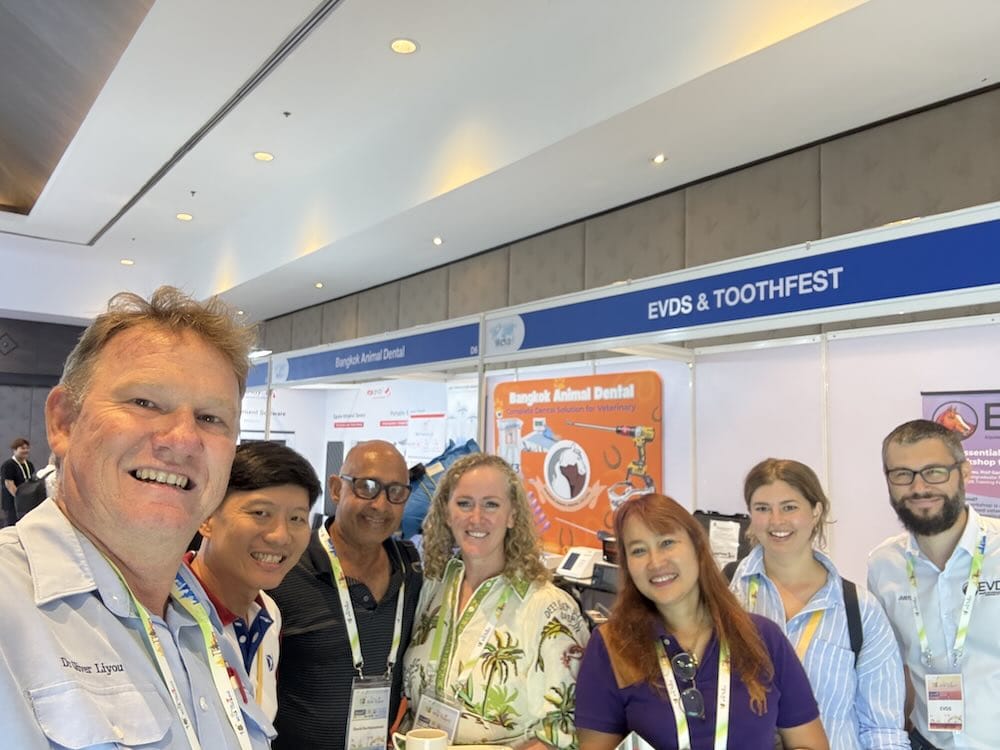
At the recent WEVA World Congress in Bangkok, delegates repeatedly commented on how welcoming and genuinely connected the event felt.
Equine veterinarians from every corner of the world didn’t just attend lectures – they met, compared notes, shared challenges, and swapped stories of equine practice across vastly different systems and cultures.
“It was one of the friendliest conferences I’ve ever attended. People went out of their way to introduce themselves and talk about what vet life looks like in their country.”
This sense of openness is very much part of WEVA’s DNA.
Beyond the Lecture Theatre
WEVA Congress is intentionally designed to create space for informal learning – because sometimes the most valuable insights don’t come from slides.
From hallway conversations to shared meals, meaningful professional connections are formed throughout the event. In Bangkok, this extended well beyond the conference hall:
- Incredible food – from conference catering to street markets and the memorable river cruise dinner
- A relaxed atmosphere that encouraged conversation (including the much-talked-about beer served at afternoon tea on day one)
- A closing night where the dance floor was full
These shared experiences help break down barriers between senior specialists, early-career vets, and practitioners working in vastly different conditions.
Global Leadership in Action
One of the most powerful aspects of WEVA Congress is seeing how leadership in equine medicine translates into real support for the next generation.
A standout example discussed during the meeting was the work of Liphook Equine Hospital (UK), where several WEVA speakers have trained or worked, including Dr. Andy Durham and Dr. Rachel Turner.
Their Summerhays Travel Bursary provides graduating interns with funding to undertake international externships. This enables young veterinarians to travel, learn, and build global professional networks.
This kind of initiative reflects exactly what WEVA stands for:
- Forward-thinking leadership
- Investment in people, not just knowledge
- Raising the bar for the profession globally
Recognising Excellence in Equine Research
WEVA Congress also celebrates long-term contributions to equine science and medicine.
Australian equine veterinarian Dr. Chris Whitton was recognised with a major international research award for decades of work advancing equine musculoskeletal health – a moment widely acknowledged as richly deserved by peers from around the world.
These recognitions reinforce WEVA’s role not just as an education provider, but as a platform that elevates global excellence in equine veterinary medicine.
Why People Keep Coming Back to WEVA
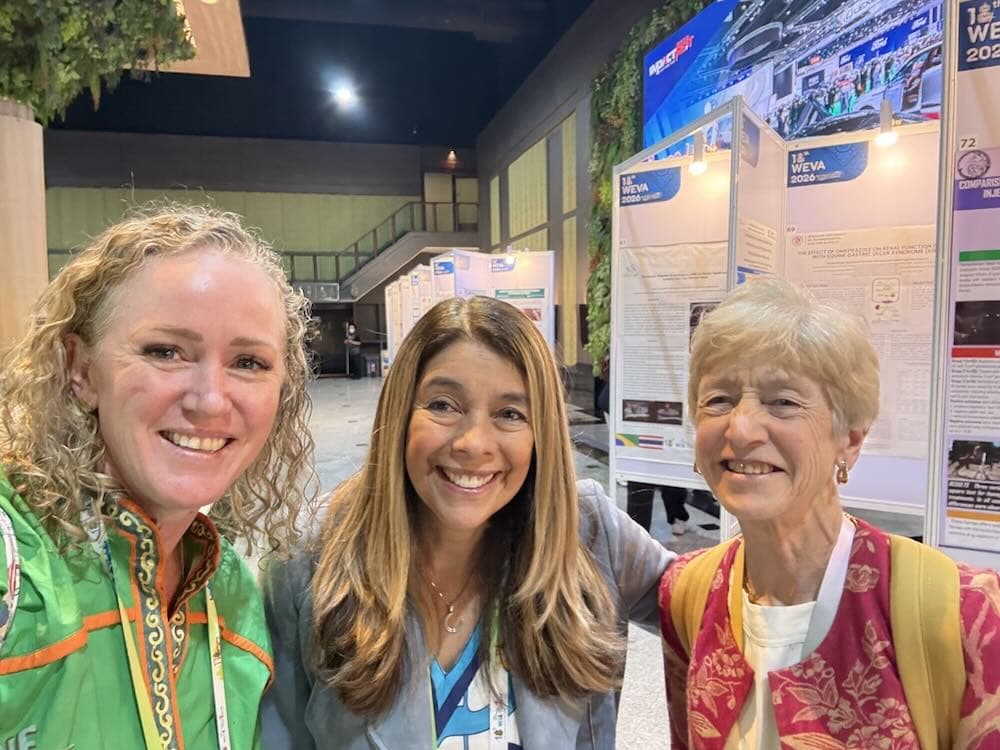
For many attendees, WEVA Congress isn’t just another CPD event – it’s where professional confidence grows, perspectives widen, and lifelong friendships form.
Between lectures, travel, shared meals, and unplanned conversations, equine veterinarians are reminded that while practice environments differ, the challenges – and the passion for horses – are remarkably similar worldwide.
That sense of connection is what keeps WEVA relevant, year after year.
How WEVA Connects to BEVA and Other Associations
WEVA works hand-in-hand with national equine veterinary associations across the globe.
WEVA collaborates with associations such as BEVA (UK) to provide global outreach, speaker support, and resources in regions where CPD access is limited. BEVA has historically contributed funding and expert lecturers to WEVA events.
This collaboration ensures that equine veterinarians everywhere – whether in Europe, Asia, Africa, or South America – can access modern, practical equine veterinary education.

Why WEVA Helps Equine Vets
WEVA is unique because it:
- Raises global standards by bringing CPD to regions that need it most.
- Strengthens national associations by providing expertise, speakers, and structural support.
- Fosters collaboration between world-leading associations like BEVA, AAEP, EVA, AVEF, and others.
- Offers equitable access through tiered fees and regionally based events.
For clinicians, WEVA offers exposure to diverse disease presentations, management strategies, and practice models that are rarely covered in national CPD programmes alone.
WEVA (World Equine Veterinary Association) – Frequently Asked Questions
What does WEVA stand for?
WEVA stands for the World Equine Veterinary Association, an international organisation focused on advancing equine veterinary education and collaboration worldwide.
Is WEVA part of the World Veterinary Association (WVA)?
WEVA was originally founded as a division of the World Veterinary Association (WVA) and later became an independent organisation with its own governance and congress structure.
Who can attend WEVA Congress?
WEVA Congress is open to equine veterinarians, researchers, educators, and industry professionals from all countries.
Does WEVA Congress count toward CPD?
Yes. Attendance at WEVA Congress and WEVA educational meetings contributes toward continuing professional development (CPD) requirements in many regions.
Why is WEVA Congress held in different countries?
WEVA rotates its Congress location to improve global access to equine veterinary education, particularly for veterinarians in developing or underserved regions.
Is WEVA relevant to equine vets in developed countries?
Yes. WEVA provides a global perspective on equine medicine, emerging challenges, and international collaboration that complements national CPD programmes.
Join Our Community
We already have a strong community of equine veterinarians from around the world, including South Africa, Australia, the UK, and Europe.
If you want to connect with like-minded professionals, gain access to global knowledge, and learn more about WEVA initiatives, now is the perfect time to get involved. Together with WEVA, you’ll be part of a worldwide effort to raise the standards of equine veterinary medicine.
Sources & References
- World Equine Veterinary Association (WEVA)
- World Veterinary Association (WVA)
- BEVA international outreach programmes