Equine Veterinary Practice Management Systems & Workflow
Could your equine practice run for two weeks without you? If that question makes you even slightly uncomfortable, you’re not alone.
Equine practice ownership often starts with a dream. Freedom. Autonomy. The ability to practise medicine the way you believe it should be done. A life where you are in control of your work, your time and your future.
And for a while, it feels like that. But then the practice grows, and the weight grows with it. More clients. More calls. More invoices. More decisions. More things that only you can do.
Until one day you look up and realise that the practice you built for freedom has started to feel like a cage.
This is one of the most common challenges I see among equine practice owners, and it is exactly why equine veterinary practice management matters so much.
Good veterinary practice management for horses is not primarily about buying software or adding more administration. It is about creating clear systems, workflows and responsibilities so the practice can operate consistently without every decision, problem and task coming back to the owner.
That matters particularly in equine practice. You may be managing an ambulatory diary across a wide geographical area, emergencies, barns and trainers, clinical records completed away from the clinic, imaging and results, charging and invoicing, follow-up communication, inventory, associates and support staff. All of those moving parts need to connect.
Good equine practice management creates a clear way for that work to move through the practice. People know what happens next, who is responsible for it and when their part of the job is complete.
Because the truth is simple for any veterinary business owner: a practice that depends entirely on the owner is not sustainable.
What Veterinary Practice Management for Horses Really Means (It’s Not Corporate)
When veterinarians hear the word “systems,” many immediately switch off. It sounds corporate.
It sounds like spreadsheets, bureaucracy and rules for the sake of rules. It can feel like something that belongs in a large hospital with layers of management, not in the real world of equine practice where you’re juggling clients, calls, emergencies and trying to get home at a reasonable hour.
But systems are not corporate. Systems are simply the repeatable ways you do things so that life becomes easier. They stop you reinventing the wheel every day. They reduce chaos, reduce stress and reduce the number of decisions you have to make when you are already tired.
And equine practice brings its own set of challenges.
You may have veterinarians working out of trucks for most of the day while others are based in a clinic or hospital. Appointments need to be scheduled around geography as well as clinical priority. One horse may involve an owner, trainer, barn manager and referring veterinarian, all expecting communication. An emergency can completely change the shape of the day.
Then there is everything that has to happen around the clinical work.
Records need to be completed. Radiographs, ultrasound images or laboratory results need to reach the right person. Charges need to be captured before they are forgotten. Invoices need to go out. Medications and consumables need to be tracked. Clients need follow-up. The next person involved in the case needs to know what has already happened and what needs to happen next.
In an ambulatory practice, much of this is happening while the veterinarian is moving between barns, taking phone calls and thinking about the next horse. In a larger practice, the challenge becomes making sure information moves cleanly between veterinarians, technicians, reception, administration and the client.
That is what veterinary practice management for horses is really about.
It is creating clear, repeatable ways for work to move through the practice so people know what happens next, who is responsible for it and when their part of the job is complete.
Practice management is not about making your practice more complicated. It is about making it simpler. It is about building a business that does not rely on your memory, your mood or your ability to “just push through” one more week.
Even the smallest equine practices need systems because, without them, the owner carries everything. And when the owner carries everything, the practice always feels heavier than it needs to.
The most powerful systems are usually the boring ones. The ones that quietly remove friction. The ones that prevent the same problems from happening again and again.
How Does Your Practice Compare?
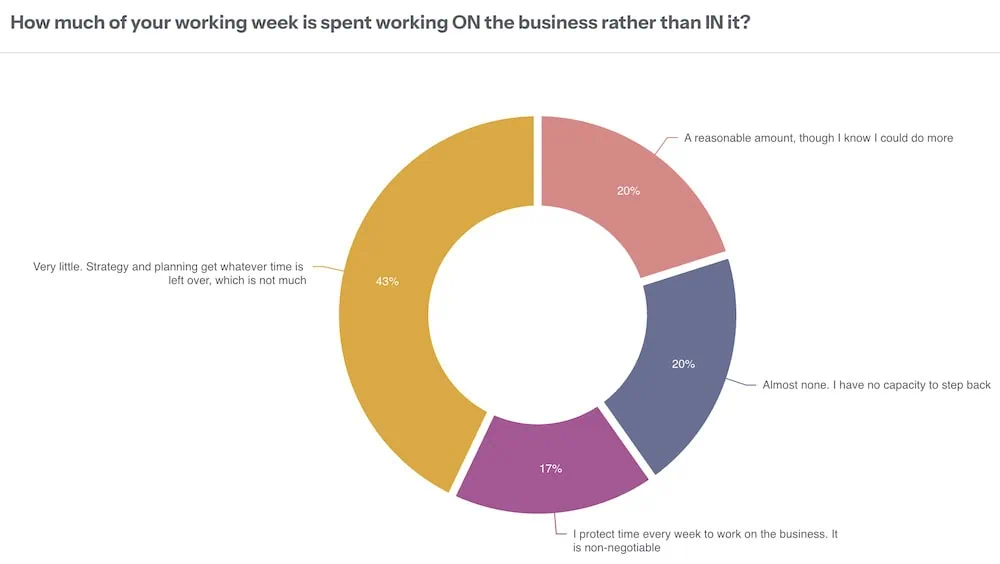
Over the past few months, equine practice owners from around the world have completed our Equine Practice Growth Assessment. One question stood out.
How well documented are your core practice systems?
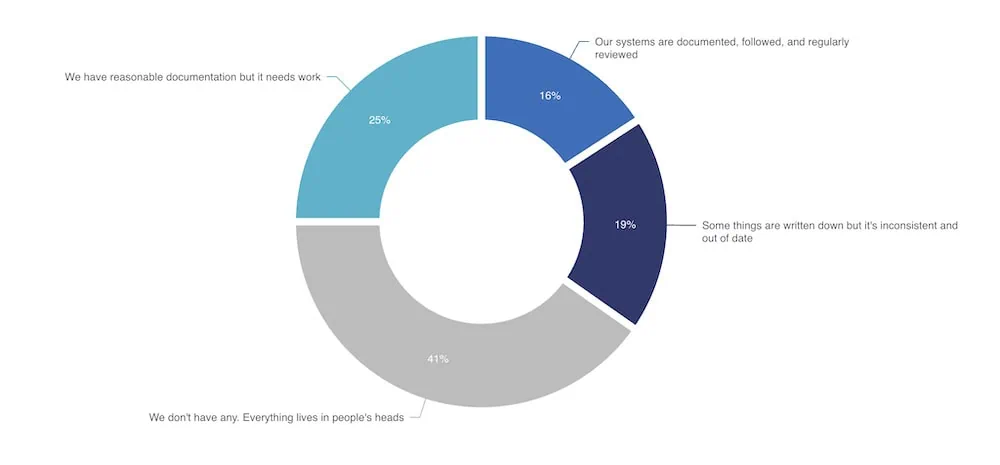
Most equine practices admitted that their systems still rely heavily on people’s memory rather than documented processes. That might not sound like a problem… Until someone leaves. Or gets sick. Or you finally take a holiday.
Then you quickly discover the practice wasn’t running on systems. It was running on you.

The Hidden Problem: The Owner Becomes the Bottleneck
Most equine practices begin as solo or very small businesses. In the early days, that usually means the owner does almost everything.
You are the veterinarian, the decision-maker, the person answering difficult client questions, solving scheduling problems, checking invoices, dealing with staff issues and deciding what happens when the day does not go according to plan.
At first, that is understandable. The practice is small and you know every client, every horse and almost every detail of how the business operates.
The problem comes when the practice grows, but the way decisions are made does not grow with it.
An associate has a question, so they call you. Reception is unsure how to handle a difficult client, so they ask you. Someone wants to change the schedule, approve a discount, order equipment, chase an unpaid account or decide how to deal with a complaint, and once again the decision comes back to you.
Before long, you become the person every road leads to.
It is rarely intentional. In fact, many practice owners become the bottleneck precisely because they care so much about the practice. They want things done properly. They want clients looked after. They want the clinical standard maintained.
But if every unusual situation still requires the owner’s input, the team never develops the confidence or authority to deal with those situations themselves.
And the owner never really switches off.
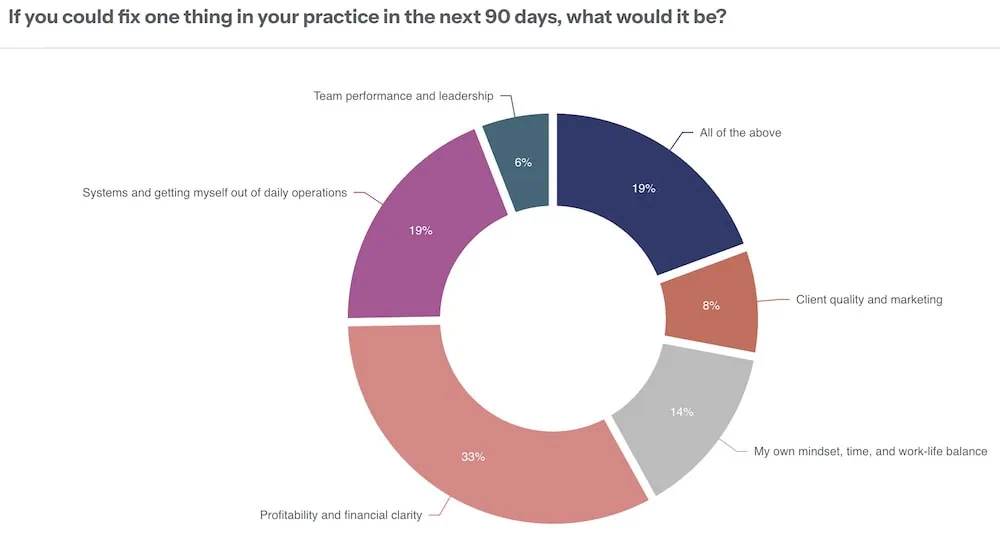
The problem is not simply that you have too much work. It is that too much of the practice depends on you personally for the next step.
That is why one of the simplest tests of your practice management is still this:
Could your equine practice run effectively for two weeks without you?
Could appointments still be booked and routed properly? Would records and charges be completed? Would clients receive the right follow-up? Could your team deal with routine problems without waiting for your approval? Would the practice continue generating revenue and delivering the same standard of service?
If your phone would still be ringing throughout those two weeks, or your team would be creating a list of decisions for you to deal with when you returned, you have found the bottleneck.
The answer is not to work harder or become better at answering questions.
It is to build clearer workflows, responsibilities and decision-making systems so that the right work can continue moving through the practice without constantly coming back to you.
And that starts by looking at the everyday workflows your practice depends on.
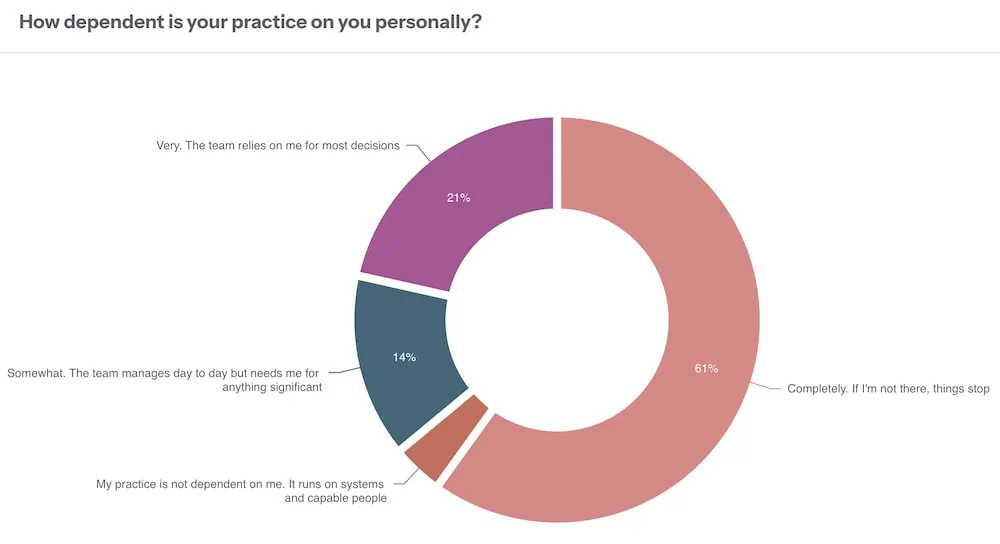
What Owners Want to Fix First
Notice something interesting. Very few owners asked for more clients. Instead they wanted:
- clearer financial systems
- better operations
- stronger leadership
- more predictable processes
Growth isn’t usually limited by demand. It’s limited by how the practice operates behind the scenes.
Equine Practice Workflow Management: The Systems That Change Everything
Once you start looking closely at an equine practice, you realise just how many small steps have to happen around every clinical appointment.
A client makes contact. Someone decides how urgent the problem is. The appointment is booked. The veterinarian is scheduled. Travel has to make sense geographically. The right information needs to be available before the visit.
The consultation happens. Records are completed. Charges are captured. An invoice is raised.
Imaging or laboratory results may need to be reviewed and sent. The owner, trainer or referring veterinarian may need an update. Follow-up may need to be scheduled. Medications or consumables may need replacing. Eventually, the case needs to be closed properly.
That is an equine practice workflow.
The problem is that, in many practices, those steps are not actually managed as one connected process. Each person knows their own part, but nobody is quite sure who owns the handover to the next person.
That is where work starts to disappear into gaps.
A client may have been told that someone will call them, but nobody knows who. Radiographs may have been taken, but the report is still waiting to be sent. A veterinarian may have completed the clinical work but not the record or invoice. Reception may be waiting for instructions. A follow-up may depend on someone remembering to create a reminder.
And when ownership is unclear, the unfinished work usually finds its way back to the practice owner.
Good equine practice workflow management means making those handovers deliberate.
For every important recurring process, the team should be able to answer a few simple questions:
Who owns this step? What information do they need? What does “complete” look like? Who receives the work next? What happens if something falls outside the normal process?
You do not need a complicated operating manual for every situation. In most cases, a short checklist, template or agreed handover rule is enough.
Take booking and triage. The person taking the enquiry should know what information needs to be collected, which situations require immediate veterinary input and what can be booked routinely.
Scheduling then needs its own rules. In ambulatory practice, that may include geography, travel time, clinical priority, equipment requirements and enough flexibility to absorb an emergency without destroying the rest of the day.
Before the appointment, someone may need to confirm the location, obtain previous records or imaging, identify the correct owner or trainer contact and make sure the veterinarian has what they need.
After the consultation, the workflow should not simply end because the vet has driven away.
Clinical records still need to be completed. Charges need to be captured while the details are fresh. Imaging or laboratory results may need reviewing. An invoice needs to be generated. The client or trainer may need an explanation of the next step. A recheck, recall or further diagnostic procedure may need to be scheduled.
Inventory matters too. If medication, consumables or supplies are used during the visit, there needs to be a reliable way of ensuring they are recorded and replenished rather than discovered missing when the next veterinarian needs them.
Finally, there needs to be a clear point at which the case is considered complete.
That does not necessarily mean the horse has finished treatment. It means the current stage of work has been properly closed. The record is complete, the charges are captured, the client has received the information they need and any next action has been assigned to somebody.
That last point is important because unfinished work creates mental clutter.
When nobody knows whether something is complete, people keep checking, chasing and remembering. The same task may be touched by three different people, while another task is missed entirely.
A well-designed veterinary workflow for equine practices does the opposite. It makes the next step obvious.
The aim is not to remove clinical judgement or make every case identical. Equine practice will always involve emergencies, unusual situations and horses that refuse to follow the plan.
The aim is to make the routine parts of the work predictable, so your team’s energy can be spent on the situations that genuinely require judgement.
When the recurring work has clear ownership and clean handovers, fewer questions come back to the owner, fewer tasks fall through the cracks and the practice becomes much easier to run.
A Veterinary Workflow for Equine Practices: From Booking to Follow-Up
The easiest way to understand a veterinary workflow is to follow one appointment from beginning to end.
Imagine a horse owner calls because their horse has developed a lameness and they would like an appointment.
The first step belongs to whoever receives that enquiry. Their job is not to diagnose the horse. It is to collect the information the veterinarian needs to decide what happens next.
They might establish which horse is affected, where the horse is located, how long the problem has been present, whether the horse is weight-bearing, whether there has been an obvious injury, who the primary contact is and whether there are previous records or imaging that need to be obtained.
That step is complete when the necessary information has been collected and the enquiry has either been booked according to the practice’s protocol or passed to a veterinarian because clinical triage is required.
Without that clarity, the receptionist may simply message the practice owner: “Can you call this client?”
And immediately, the workflow has returned to the bottleneck.
Booking and Scheduling
Once the appointment is ready to be booked, responsibility moves to whoever manages the diary.
In equine ambulatory practice, this is not simply a case of finding an empty hour. The horse’s location, the veterinarian’s existing route, likely appointment length, travel time, equipment requirements and the need to retain some flexibility for emergencies may all matter.
A good handover means the scheduler has enough information to make that decision without repeatedly asking the practice owner where the appointment should go.
The booking is complete when the right veterinarian has been allocated, the location and contact details are confirmed, the client knows what to expect and any information needed before the visit has been requested.
Preparing for the Appointment
Before the veterinarian arrives, there may be another small but important workflow.
Previous clinical records may need to be available. Radiographs or reports from another veterinarian may need to be requested. The veterinarian may need to know whether the horse is at its usual barn or another location. In some cases, particular equipment may need to be taken.
Someone needs to own that preparation.
Otherwise, the veterinarian discovers halfway through the appointment that the previous images are sitting in an inbox somewhere, nobody has requested the referral history or the horse is not where everyone expected it to be.
The preparation stage is complete when the veterinarian has the information and resources they reasonably need before beginning the visit.
The Clinical Appointment
The veterinarian then owns the clinical part of the workflow. This is where clinical judgement belongs. Systems should never attempt to replace that. But even highly individual clinical work can sit inside a consistent operational process.
Once the appointment is finished, there should be clarity about what information must leave the veterinarian before the case moves forward. That may include the clinical record, procedures performed, medications or consumables used, diagnostic imaging obtained, charges to be entered and the agreed next step.
This is one of the most common places for workflow to break down.
The veterinarian drives to the next call intending to complete the record later. The charges are reconstructed at the end of the day. Someone in reception is waiting to know whether a follow-up should be booked. The owner asks whether the radiographs have been sent.
Nothing is necessarily wrong clinically, but the administrative work surrounding the case is now relying on memory.
Records, Charges and Imaging
Once the clinical work is complete, the practice needs a reliable way of closing the operational side of the appointment.
The clinical record should be completed. Charges should be captured. Any imaging should be stored correctly and linked to the right patient. If laboratory work or another result is pending, somebody should know who is responsible for monitoring it.
The handover here needs to be particularly clear.
For example, if the veterinarian orders further diagnostics, does the veterinarian personally track the result? Does a technician or administrator monitor outstanding results? Who makes sure the client is contacted once the information is available?
There is no single correct answer for every practice. What matters is that your team knows the answer.
Client and Trainer Communication
Equine cases can also involve more people than the person who originally booked the appointment.
The owner may want the result. A trainer may need instructions. A barn manager may need to know what happens next. A referring veterinarian may require a report.
The workflow should define who is responsible for that communication and what needs to be documented. Otherwise, it is very easy for everyone to assume somebody else has made the call.
The communication stage is complete when the appropriate people have received the information they need and any required next action has been clearly agreed.
Follow-Up and Case Closure
Finally, there is the follow-up.
Perhaps the horse needs to be re-examined in two weeks. Perhaps the client needs to send an update. Perhaps a further diagnostic procedure has been recommended. Perhaps no further action is required unless the condition changes.
Whatever the next step is, it should belong to somebody. A case should not remain open simply because everyone assumes they will remember it.
For this stage of the workflow to be complete, the record should be finished, charges entered, communication completed and any future action assigned with a clear date or trigger.
That is what a good veterinary workflow for equine practices looks like. It does not mean every lameness case follows the same clinical pathway. Of course it doesn’t. It means the operational work surrounding the medicine has a clear pathway.
Everyone knows what they own. Everyone knows what information needs to move with the case. Everyone knows when their part is finished and who receives it next.
And most importantly, the practice owner does not have to sit in the middle of every handover making sure the work keeps moving.
Where Practice Management Software Fits In
This is also where practice management software can help, but there is an important distinction to make.
A practice management system and practice management software are not the same thing.
Your system is the agreed way work moves through the practice. It defines who owns each step, what information they need, what needs to happen before the work moves on and what “complete” actually looks like.
Software is simply one of the tools that can help your team carry out that system.
For example, software might help you manage appointments, clinical records, invoicing, reminders, inventory or client communication. But the software cannot decide how your practice should work.
If nobody knows who is responsible for following up an outstanding laboratory result, changing software will not solve that problem. If veterinarians are regularly forgetting to enter charges, a different platform will not automatically create a reliable charge-capture process. If every unusual scheduling decision still comes back to the practice owner, technology alone will not remove the bottleneck.
In other words, if the underlying workflow is unclear, changing software usually does not fix the problem. It simply moves the same unclear workflow into a different platform.
That is why I would always start with the workflow first. Decide how the work should move through your practice, who owns each stage and where the handovers occur. Then look at how technology can make that process easier.
If you are currently choosing or replacing a practice management platform, we have covered that separately in our guide to veterinary software for equine practices. The same principle applies to automation.
Automated equine practice management should come after workflow design. Automation can remove repetitive administration, reminders and unnecessary handovers, but automating an unclear or inefficient process does not fix the process itself.
First decide how the work should happen. Then decide which parts technology can take off your team’s shoulders.

How to Improve Your Equine Practice Management This Week
Choose one workflow. Pick something that repeatedly causes interruptions, such as bookings, invoice completion or client follow-up.
Write down every step. Don’t create a giant SOP. Just record what actually happens from beginning to end.
Give every step an owner. Somebody should know that this part of the process belongs to them.
Define what “done” means. “Follow up with the client” is vague. “Client contacted, outcome recorded and next action assigned” is much clearer.
Review what became stuck. At the end of the week, ask your team where work stopped, where somebody had to chase an answer and what came unnecessarily back to the practice owner.
Frequently Asked Questions
What is equine veterinary practice management?
Equine veterinary practice management is the combination of systems, workflows, people and financial processes that allow an equine practice to operate consistently.
It includes far more than managing the diary. It covers how enquiries are handled, how appointments are booked and routed, how clinical records and charges are completed, how clients are updated, how follow-up happens, how inventory is managed and how responsibilities move between different members of the team.
Good equine veterinary practice management should make the practice easier to run, not more complicated. The goal is to reduce unnecessary decisions, create clearer ownership and make sure important work does not depend on one person remembering to do it.
What does a good equine practice workflow look like?
A good equine practice workflow makes it clear what happens next.
For example, a client enquiry may move through triage, booking, scheduling, appointment preparation, clinical work, records, charging, invoicing, results, communication and follow-up.
At each stage, someone should know what they are responsible for, what information they need, when their part of the job is complete and who receives the work next.
That does not mean every clinical case follows the same pathway. Equine medicine will always require judgement and flexibility. The purpose of the workflow is to make the routine operational work surrounding the medicine predictable.
Do small or solo equine practices need management systems?
Absolutely.
In fact, small and solo practices often benefit the most because so much of the business naturally sits with the owner.
You may not need complicated policies or layers of management, but you still need repeatable ways of handling bookings, client communication, records, billing, follow-up and the dozens of small tasks that keep the practice running.
The aim is not to make a small practice feel corporate. It is to stop the owner having to carry every detail in their head.
Is equine practice management software the same as a practice management system?
No.
Your practice management system is the way the work is designed to happen. It includes the process, responsibilities, standards and handovers that move work through the practice.
Practice management software is a tool that may help your team carry out parts of that system.
If the underlying workflow is unclear, changing software will not automatically fix it. You first need to decide how the work should happen, who owns each step and what a successful handover looks like.
If you are specifically choosing or replacing software, read our guide to veterinary software for equine practices.
You Don’t Need More Hustle. You Need a Practice That Can Run Without You
Come back to the question we started with.
Could your equine practice run effectively for two weeks without you?
Not perfectly. Not without a single question being asked. But could the diary continue to function? Would records and charges still be completed? Would clients receive the follow-up they were promised? Would your team know what they could decide without you? Would important work continue moving rather than waiting for your return?
That is the real test.
Good equine veterinary practice management is not about adding more rules or creating more administration. It is about building enough structure around the everyday work that the practice does not depend on the owner holding everything together.
When people know what happens next, who is responsible and what “done” looks like, the practice becomes easier to run.
You spend less time answering the same questions.
Your team becomes more confident.
Fewer things fall through the cracks.
And you create more space to concentrate on the work that genuinely requires you, whether that is clinical decision-making, developing your team or thinking about where you want the practice to go next.
That is ultimately what good systems should give you.
Not more work.
More freedom.
At The Equine Practice Company, we help equine veterinarians develop the business, leadership and practice-management skills that sit alongside their clinical training. If building a stronger, more sustainable practice is something you want to work on, you can learn more about the support available through our Practitioner’s Program.