Sarah Humphreys – Specialist in Advanced Large Animal Internal Medicine
DVM, DACVIM (Large Animal Internal Medicine)

In the world of veterinary medicine, few professionals embody both the scientific depth and human touch required to excel in large animal internal medicine quite like Sarah Humphreys, DVM, DACVIM.
A board-certified specialist and the founder of Humphreys Veterinary Consulting, LLC, she has emerged as a leading voice in advancing how veterinarians approach complex medical cases in horses and other large animal species.
Through her innovative consulting work, teaching, and public speaking, Sarah Humphreys is reshaping the standards of excellence in her field, one clinic, one case, and one colleague at a time.
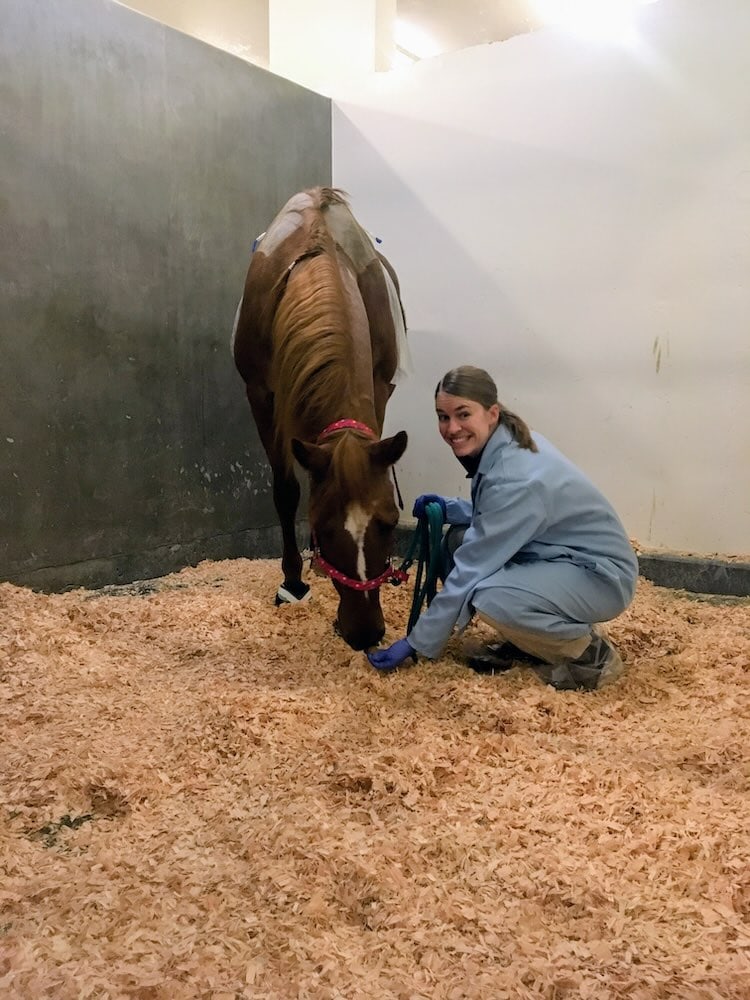
A Foundation in Academic and Clinical Excellence
Sarah Humphreys’ career reflects a rare combination of academic achievement, clinical precision, and a lifelong curiosity about the inner workings of animal health.
After earning her Doctor of Veterinary Medicine degree from the University of California, Davis School of Veterinary Medicine in 2016, she immediately distinguished herself as a clinician with exceptional analytical and diagnostic ability.
Her post-graduate training path reads like a blueprint for veterinary excellence. She completed a highly competitive internship at the University of Pennsylvania’s New Bolton Center, one of the most respected large animal hospitals in the world.
She then advanced to a fellowship at Oregon State University, where she deepened her expertise in internal medicine and developed her passion for supporting both horses and the veterinarians who care for them.
Eager to build on that experience, Sarah Humphreys returned to UC Davis to complete a three-year residency in large animal internal medicine, with a primary focus on equine care. The residency, renowned for its intensity and breadth, refined her ability to diagnose and manage the most challenging medical cases, from metabolic and infectious diseases to multi-systemic disorders.
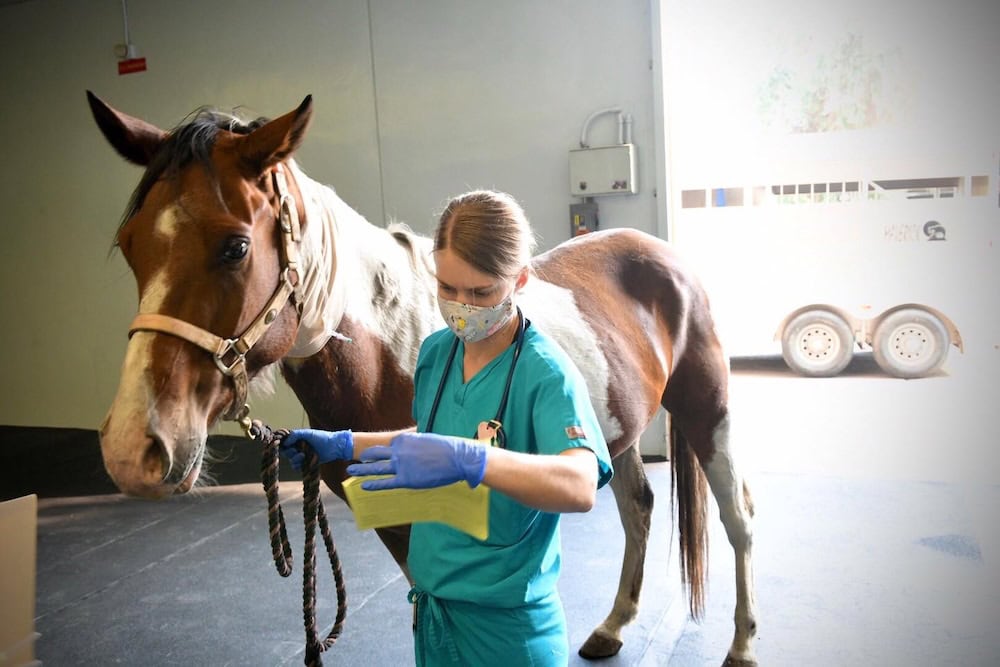
The Birth of Humphreys Veterinary Consulting
In 2022, Sarah Humphreys took a bold step that reflected both her vision and her compassion for the profession. She founded Humphreys Veterinary Consulting, LLC, a virtual and on-site consulting service created specifically to support large animal general practitioners.
Her goal was simple but transformative: to make board-certified internal medicine expertise more accessible to veterinarians in the field, bridging the gap between referral-level knowledge and real-world equine cases CPD to support practical decision-making in everyday practice.
Through this platform, Sarah Humphreys provides case consultations, diagnostic guidance, and ongoing mentorship, helping practitioners deliver higher quality care while improving their confidence and efficiency. Her clients range from equine-focused clinics to mixed animal practices seeking support with complex medical challenges.
Dr. Humphreys’ case experience spans multiple species, including horses, cattle, camelids, swine, and companion small ruminants, giving her an unusually broad perspective on disease patterns and management strategies across the large animal spectrum.

A Passion for Teaching and Empowerment
What makes Sarah Humphreys truly stand out, however, is her dedication to education. She is a natural communicator who has built a reputation for making even the most intricate medical topics understandable and clinically relevant.
As a frequent speaker at veterinary conferences and continuing education (CE) events, she designs sessions that blend up-to-date science with real-world applicability. Her teaching style combines intellectual rigor with warmth and clarity, allowing her audiences to leave not just informed, but inspired to apply what they’ve learned.
In addition to her consulting and speaking roles, Sarah Humphreys also contributes to academia as a locum professor at Ross University School of Veterinary Medicine. There, she mentors veterinary students from around the world, helping them build the confidence and critical thinking skills essential for a successful career in large animal practice.
Leadership Through Service and Collaboration
Sarah Humphreys represents a new generation of veterinary leaders, professionals who combine advanced clinical training with a genuine commitment to collaboration. Her consulting model encourages veterinarians to seek help without hesitation, transforming specialist input into a partnership rather than a referral barrier.
This approachable, collegial philosophy has made her a trusted ally among equine and large animal practitioners nationwide.
A Vision for the Future of Veterinary Practice
As the founder of Humphreys Veterinary Consulting, Sarah Humphreys continues to push the boundaries of what modern veterinary support can look like. She envisions a future where every practitioner, regardless of geography or resources, can access expert-level insight to improve outcomes for their patients.
Her work is not only elevating the quality of care for horses, ruminants, and livestock, it’s also strengthening the fabric of the veterinary community by empowering practitioners to learn, adapt, and thrive in a rapidly evolving profession.
For veterinarians seeking guidance on complex internal medicine cases, or for conference organizers searching for an engaging, insightful, and deeply respected speaker, Sarah Humphreys stands as a name synonymous with excellence, empathy, and innovation in large animal medicine.
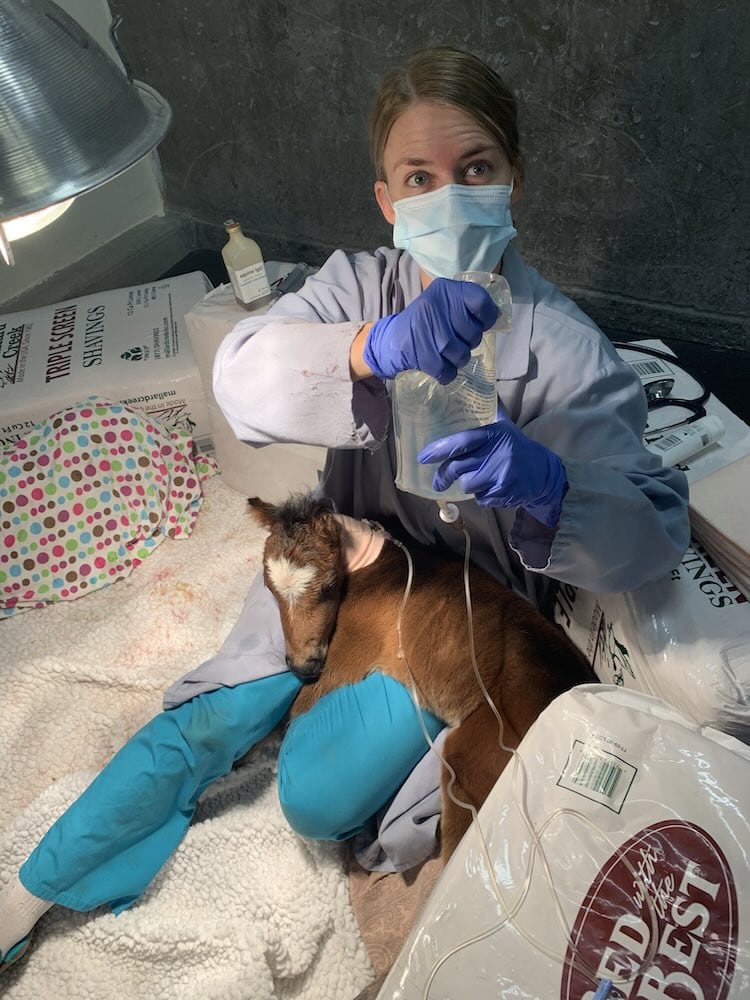
Spotlight On Dr. Sarah Humphries
Dr. Sarah Humphreys, DVM, DACVIM (Large Animal Internal Medicine), is a board-certified specialist and the founder of Humphreys Veterinary Consulting, supporting equine practitioners with complex internal medicine cases. This month, she shares practical insights from the front lines of clinical decision-making, toxicosis management, and real-world internal medicine challenges in everyday practice.
- Internal medicine cases often evolve over hours or days rather than minutes. How do you personally approach cases where the diagnosis isn’t immediately clear, but decisions still need to be made early?
That’s when I just whip out my crystal ball, of course! But seriously, deciding what to do with limited information is one of the big challenges of internal medicine. You have to take a step back, and think through the most likely differentials for your case.
Then, think through treatments needed for each. What are possible pros of starting a given treatment, and do they outweigh the cons? Then, what are the possible pros and cons of NOT starting a given treatment?
The other big thing to remember is your patient’s clinical signs (fever, anorexia, discomfort, etc). Even if you don’t know why they’re having those signs, make sure you’re doing what you can to alleviate those.
- In suspected toxicosis cases, what’s the most common delay or misstep you see in early management? What would you want practitioners to prioritise in those first critical hours?
Collect as many patient and feed samples as you can think of! Blood (serum and plasma), gastric contents, urine, and manure. We can only get those definitive answers in toxicity cases if we test, test, test. And when in doubt, activated charcoal is your friend.
- With commonly used medications such as NSAIDs, steroids, and antibiotics, where do you think risk is most often underestimated in everyday equine practice?
For NSAIDs, remember that every horse is different in terms of how well they tolerate any given dose. They don’t need to be on it for weeks, or even at the max dose, for them to have problems. Make sure to at least offer to check bloodwork prior to starting NSAIDs for any case, and discuss signs of toxicity to monitor for. And put all of that in writing!
- What’s a clinical scenario in equine internal medicine where protocols are helpful, but clinical judgement ultimately matters more than algorithms?
Clinical judgement is just as important as protocols, I don’t think you can use one without the other. There’s cases with more than one disease, where treatment of one can negatively impact the other, and we need to decide what’s in the best interest of that patient.
I think something all equine veterinarians regardless of specialty training have to deal with is client finances – yes we have gold standards, and yes we may have treatments that are better than others, but what is actually realistic for the patient?
Quality of life is another big consideration, where protocols may need to be altered or just be thrown out the window entirely. We have to see the people and the horses and meet them where they’re at.
- Through your consulting work, what do you see as the biggest internal medicine challenge facing first-opinion equine veterinarians today? What most helps them manage those cases with confidence?
I think the biggest challenge is for solo practitioners in general. I think having colleagues to regularly bounce case questions or ideas off of is so helpful for our continued learning. Not to say that solo vets can’t have that too – it’s just requires more intentionality and effort.
If there are internal medicine procedures that they didn’t get the chance to become confident doing in vet school or internship, it’s so hard to overcome that hurdle by yourself. The other big challenge is choosing the appropriate diagnostic(s) when a specific body system is affected, and then interpreting those results.
The printed reference range is important yes, but every patient is different, and you have to take all your results into account collectively as well.
- Having been involved in continued education for veterinarians, how do you think about supporting veterinarians in real-world practice?
I think there’s unrealistic expectations that we place on ourselves as veterinarians. We all have areas that we excel at, and areas where we lack confidence or experience. There’s no shame in that, and no shame in asking for help from colleagues near or far when we are out of our comfort zone.
Honestly it makes my day when I get to help a veterinarian perform a procedure they’ve never done before, or help them connect the dots with interpreting diagnostics that they may have struggled with in the past. I love it, and I know so many specialists and non-specialists feel the same when they get to help a colleague.
Thank you to Dr. Sarah Humphreys for taking the time to share her experience with other practitioners.
Advance your equine practice with the Equine Practitioner’s Program – continuing education created by equine veterinarians, for equine veterinarians.
This program brings together leading clinicians such as Dr. Albert Sole Guitart – a global leader in equine surgery and performance medicine, Dr. Andy Durham, an expert in endocrinology and internal medicine, Dr. Chris White, a leading equine sports medicine specialist and Professor Monica Aleman, internationally recognized for her work in equine neurology.
Combining cutting-edge science with clinical practicality, the program empowers you to enhance diagnostic precision, elevate treatment outcomes, and lead confidently in modern equine practice.