2027 Equine Veterinary Continuing Education and Conferences
Equine veterinary continuing education and conferences are easier to plan when you know what each meeting offers and its total cost. Attending a convention can update several skills in one trip. A smaller specialty meeting offers time with colleagues working through similar cases.
There is also a practical obligation: veterinarians and veterinary technicians must meet the continuing education or continuing professional development (CE/CPD) rules that apply to their registration. RACE approval and the number of eligible credits vary by event and jurisdiction.
Confirm the organiser’s current accreditation details and your regulator’s rules before counting hours. An awareness day or research meeting should never be assumed to award clinical CE credits.
The calendar below covers major equine veterinary conferences in 2027 across North America, Europe, Africa, and Australia. It also includes two awareness dates and a rolling three-day specialty option.
Published programmes, venues, and dates may change. Where an organiser has not confirmed a 2027 detail, that uncertainty is stated clearly so you can plan without booking on a guess.
Q1 2027: Start with field practice, regional meetings, and colic research
FAEP Ocala Equine Conference, January 8-10
- Host and location: Florida Association of Equine Practitioners (FAEP), a committee of the Florida Veterinary Medical Association; World Equestrian Center, Ocala, Florida, USA.
- Who should attend: Equine general practitioners, ambulatory vets, technicians, and other members of the equine care team.
This is an equine-focused CE and networking meeting in a major horse-practice region. It suits clinicians who want to compare practical approaches with peers and industry representatives. Check the released session list before choosing it for a particular lameness, imaging, or dentistry need. Event details.
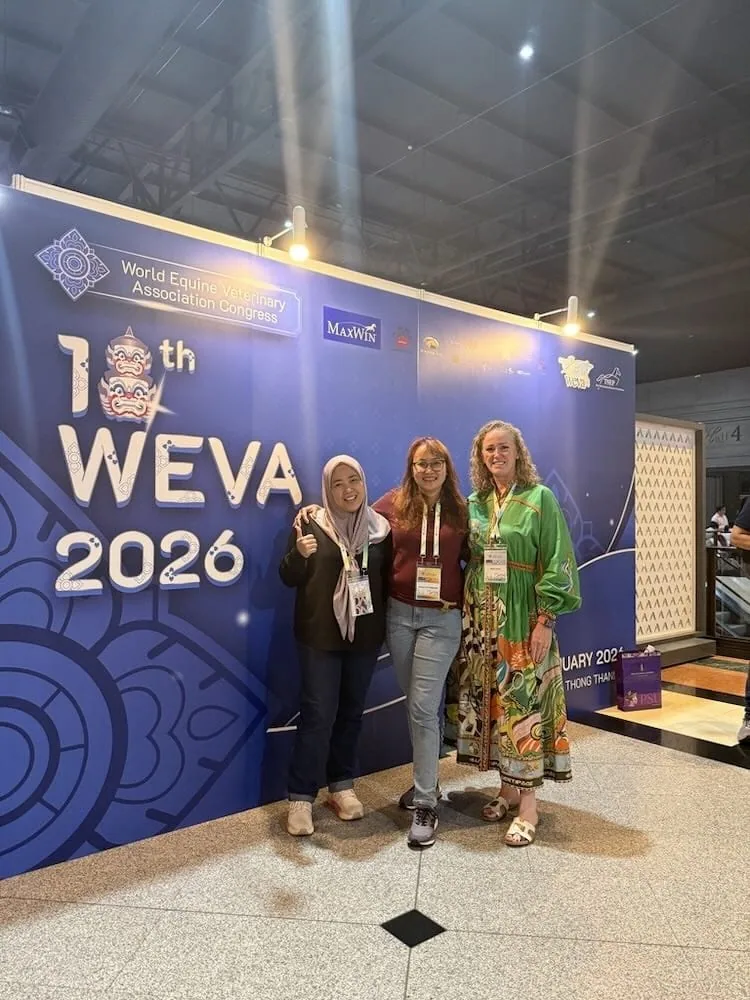
WEVA Intermediate Meeting with the Turkish Equine Veterinary Association, proposed January 29-31
- Host and location: World Equine Veterinary Association (WEVA) with the Turkish Equine Veterinary Association; Turkey, city to be confirmed.
- Who should attend: Equine practitioners seeking international exchange and regional clinical perspectives.
WEVA’s intermediate meetings bring equine education to different regions. The January 29–31, 2027 Turkey listing in the planning brief could not be verified on WEVA’s published event pages as of September 24, 2026. Treat it as a provisional diary entry and wait for the organiser’s event page before reserving travel or claiming CE. Check WEVA’s updates.
SIVE International Congress, February 4-6
- Host and location: Società Italiana Veterinari per Equini (SIVE); Bologna, Italy.
- Who should attend: General equine practitioners, surgeons, imaging clinicians, and vets who want a European clinical meeting.
The 32nd SIVE International Congress offers an equine-specific scientific programme. Select sessions by caseload, and check language arrangements before booking. Congress details.
SAEVA Congress, February 18–21
- Host and location: South African Equine Veterinary Association (SAEVA); Lagoon Beach Hotel, Milnerton, Cape Town, South Africa.
- Who should attend: Equine practitioners, specialists, and colleagues interested in practice across southern Africa.
This is a useful opportunity to meet regional equine clinicians and compare approaches to cases, resources, and client needs. The dates and venue are listed by SAEVA; use its released programme, rather than assumptions about annual themes, to decide which clinical streams fit your needs. SAEVA updates.
International Equine Colic Research Symposium, March 9–11
- Host and location: The Foundation for the Horse; World Equestrian Center, Ocala, Florida, USA.
- Who should attend: Equine surgeons, internists, emergency clinicians, researchers, and vets managing referral or postoperative colic cases.
The 15th symposium invites research across equine gastroenterology, from basic science to clinical cases and treatment approaches. It suits clinicians seeking depth in colic diagnosis, referral, and treatment. Symposium information.
Q2 2027: Research, dentistry, ophthalmology, and internal medicine
World Veterinary Day, April 24
- Host and location: World Veterinary Association (WVA); global observance, no single conference venue.
- Who should participate: Equine teams wanting to communicate the profession’s work to clients and their local communities.
This is a date for professional recognition and public education, not an equine CE congress. A practice might use it to explain preventive care, welfare, or the clinical work behind an emergency call. Participation alone does not establish CE eligibility. WVA information.
World Donkey Day, May 8
- Host and location: Global awareness observance; no single conference host or city.
- Who should participate: Vets treating donkeys and other working equids, welfare teams, and educators.
The date can prompt a useful team discussion about how donkey behaviour, pain expression, husbandry, and welfare needs affect assessment. Plan any learning activity separately and verify its CE status; the awareness day itself does not award credits.
Equine Science Society 30th Biennial Symposium, May 24-27
- Host and location: Equine Science Society (ESS), hosted by Penn State University; Hershey, Pennsylvania, USA.
- Who should attend: Researchers, academic veterinarians, nutritionists, educators, students, and practitioners who regularly interpret equine science.
ESS brings together research, speakers, workshops, and discussion across equine science. Consider how findings might translate into practice. Confirm which sessions qualify for your CE requirements. 2027 meeting.
European Veterinary Dental Forum, June 3-5
- Host and location: European Veterinary Dental Foundation and European Veterinary Dental College; Edinburgh, Scotland, UK.
- Who should attend: Veterinary dental specialists, equine vets expanding their dentistry work, and clinicians seeking case-based discussion with dental colleagues.
The 34th European Veterinary Dental Forum is a focused dentistry meeting. It is worth considering when your practice needs deeper learning in oral examination, imaging, or case referral. Confirm the 2027 equine-specific sessions before booking: a veterinary dental forum need not devote every stream to horses. Forum details.
International Equine Ophthalmology Consortium Symposium, June 3-5
- Host and location: International Equine Ophthalmology Consortium (IEOC); Dubrovnik, Croatia.
- Who should attend: Veterinary ophthalmologists, equine referral clinicians, and general practitioners who manage eye emergencies or complex follow-up cases.
This meeting concentrates discussion among colleagues with a specific interest in equine eyes. It may help a clinician refine examination, referral, and case-management decisions. It overlaps exactly with the Edinburgh dental forum, so a small practice should make its specialty choice and coverage plan early. IEOC announcement.
ACVIM Forum, June 24-26
- Host and location: American College of Veterinary Internal Medicine (ACVIM); Palais des congrès de Montréal, Montréal, Québec, Canada. A specialty symposium is scheduled for June 23.
- Who should attend: Large-animal internists, residents, and equine clinicians following advanced medical research.
ACVIM is a multi-species specialist forum. Check the 2027 large-animal programme before buying a pass to make sure the equine sessions match your caseload. Future forum dates.
Q3 2027: Australian practice and European clinical congresses
Bain Fallon Memorial Lectures, July 18-22
- Host and location: Equine Veterinary Australia, part of the Australian Veterinary Association, together with the Veterinary Business Group; Rydges Resort Hunter Valley, New South Wales, Australia.
- Who should attend: Equine general practitioners, hospital clinicians, practice owners, and colleagues working in Australian equine care.
This Australian meeting combines equine learning and professional discussion. Its joint format may suit a team seeking clinical and practice-management education on one trip. Check the final lecture and workshop programme. 2027 event.
BEVA Congress, September 8-11
- Host and location: British Equine Veterinary Association (BEVA); ACC Liverpool, Liverpool, UK.
- Who should attend: Equine vets, veterinary nurses, technicians, students, specialists, and practice owners.
BEVA is a broad equine meeting for teams that want clinical education, colleagues from different disciplines, and an exhibition in one place. Its scale can work well for a practice that assigns different people to different streams. The organiser has confirmed the 2027 dates and venue with me. Choose clinical sessions when its programme is released. BEVA Congress.
ECEIM Congress, September 24-25
- Host and location: European College of Equine Internal Medicine (ECEIM); Vienna, Austria.
- Who should attend: Equine internal medicine specialists, residents, researchers, and vets seeking a deeper medical update.
This focused congress provides a setting for complex medical cases and research. ECEIM confirms Vienna and the dates; check its programme for session subjects. ECEIM event.
Q4 2027: Surgical education and year-end planning
ACVS Surgery Summit, October 6-9
- Host and location: American College of Veterinary Surgeons (ACVS); Hyatt Regency Chicago, Chicago, Illinois, USA.
- Who should attend: Equine surgeons, surgical residents, and referral teams evaluating surgical or sports-medicine cases.
October 6 is scheduled for hands-on laboratories; seminars and scientific abstracts follow October 7–9. Check the equine and large-animal sessions individually: this summit spans veterinary surgery and should not be treated as an exclusively equine meeting. A lab may require separate registration or have limited places. ACVS details.
AVEF annual congress, 2027 date and city to be announced
- Host and location: Association Vétérinaire Équine Française (AVEF); 2027 venue not yet confirmed.
- Who should attend: French-speaking equine practitioners and colleagues interested in the French clinical community.
AVEF’s annual meeting is a potential choice for equine clinical and professional discussion in France. Metz is the announced venue for the 2026 event, not a confirmed 2027 location. Keep a provisional place in the Q4 plan, but do not book Metz or specify November until AVEF publishes its 2027 notice. AVEF events.
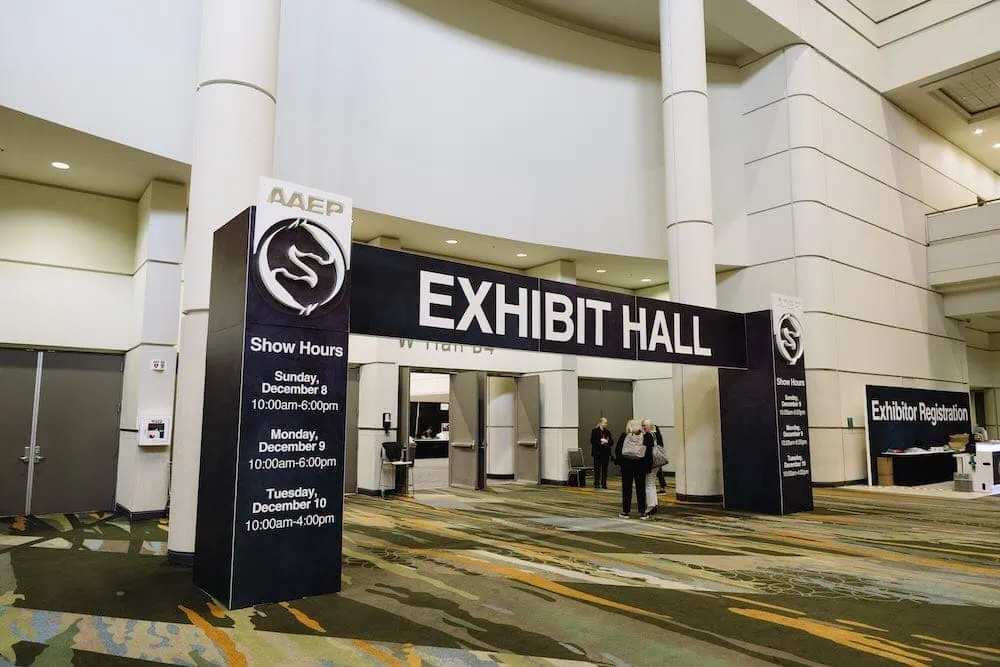
AAEP Annual Convention and Trade Show, December 4-8
- Host and location: American Association of Equine Practitioners (AAEP); Phoenix Convention Center, Phoenix, Arizona, USA.
- Who should attend: General equine vets, specialists, technicians, practice owners, residents, and students.
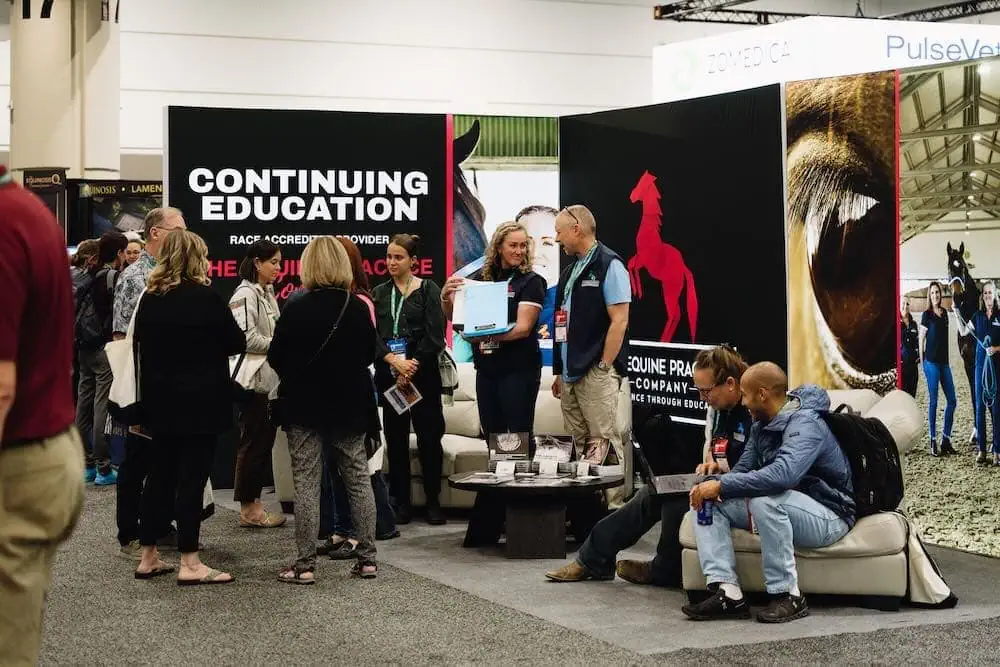
AAEP’s annual convention offers a wide selection of equine education and professional contacts, making it a strong choice when several team members have different learning goals. Dates of December 4–8, 2027 were confirmed directly with AAEP by The Equine Practice Company. Confirm the session and travel schedule when registration opens. AAEP convention.
ISELP three-day regional modules, dates vary
- Host and location: International Society of Equine Locomotor Pathology (ISELP); regional sites and dates depend on the selected 2027 module.
- Who should attend: Clinicians building skills in lameness, locomotor anatomy, diagnostic imaging, and equine sports medicine.
A three-day module can be a practical alternative to an annual congress when one anatomical region or diagnostic skill is the priority. Compare the actual module topic, teaching format, location, prerequisites, and CE status before registering. ISELP modules belong on a rolling training plan, not on a fixed Q4 conference date. ISELP modules.
2027 equine veterinary calendar at a glance
| Event | Month | Location | Main clinical focus or purpose |
| FAEP Ocala Equine Conference | January | Ocala, USA | Broad equine clinical CE |
| WEVA intermediate meeting with Turkish association* | January* | Turkey; city TBC* | Regional equine exchange |
| SIVE International Congress | February | Bologna, Italy | Broad equine science and practice |
| SAEVA Congress | February | Cape Town, South Africa | Equine practice and regional exchange |
| International Equine Colic Research Symposium | March | Ocala, USA | Gastroenterology and colic research |
| World Veterinary Day | April | Global | Professional awareness; not a conference |
| World Donkey Day | May | Global | Donkey welfare awareness; not a conference |
| Equine Science Society Symposium | May | Hershey, USA | Equine research |
| European Veterinary Dental Forum | June | Edinburgh, UK | Veterinary dentistry; verify equine sessions |
| IEOC Symposium | June | Dubrovnik, Croatia | Equine ophthalmology |
| ACVIM Forum | June | Montréal, Canada | Internal medicine; verify equine sessions |
| Bain Fallon Memorial Lectures | July | Hunter Valley, Australia | Equine practice and business |
| BEVA Congress | September | Liverpool, UK | Broad equine clinical education |
| ECEIM Congress | September | Vienna, Austria | Equine internal medicine |
| ACVS Surgery Summit | October | Chicago, USA | Veterinary surgery; verify equine sessions |
| AVEF annual congress* | Date TBC* | City TBC, France* | French equine clinical meeting |
| AAEP Annual Convention | December | Phoenix, USA | Broad equine CE and practice development |
| ISELP regional modules | Rolling | Location varies | Lameness and locomotor pathology |
Provisional entry. Check the organiser before making travel commitments. Dates in this table are planning months, not a guarantee of accreditation or access to a particular session.
A practical guide to choosing and funding equine veterinary CE
Start with your registration requirements and clinical gaps
Write down the CE/CPD hours you need, the deadline for your renewal, and the rules for live, recorded, practical, and internationally delivered education.
Equine veterinary CE credits are awarded under specific rules; a meeting’s scientific value does not automatically make every session count. Ask the organiser for its accreditation information and keep your attendance record, certificate, and session details together.
Then list two or three recurring practice questions. Examples might be when to refer an eye, how to improve colic triage, or which imaging findings change a lameness plan. This gives you a way to compare programmes when they are published.
A general meeting can provide range; an equine sports medicine and surgery conference or a specialist module can offer more depth in a single problem.
Budget for the entire absence, not just the ticket
Calculate registration, labs, flights or ground transport, accommodation, meals, and the clinical cover required while someone is away. Include currency changes for international meetings and check cancellation terms before paying.
A cheaper registration may be the more expensive choice once travel and lost appointment capacity are included.
For a team, set the allowance at the start of the planning year and decide who will attend in person, who can learn from recordings where offered, and how the practice will share the information.
Reserve funding for one broad update and one targeted practical course if that combination fits your caseload better than two large conventions. Where accreditation matters, check the recorded option separately.
Protect ambulatory and hospital coverage
Mark the proposed trip against foaling season, competition schedules, on-call rotas, theatre commitments, and existing leave. Agree who will handle emergencies, follow-up calls, and handovers; prepare a concise list of active cases and expected decisions.
If two meetings overlap, as the June dental and ophthalmology meetings do, allocate clinicians according to the skill the practice most needs.
Ask the attendee to bring back three concrete changes or questions, the evidence behind each, and any limits to applying the findings locally. Share them at rounds.
The Equine Practice Company offers structured equine veterinary education between conferences; check each programme’s CE details before counting it toward registration.